Automatic wireless charging for Finferries’ electric ferry rollout
SEAM is delivering integrated electrification systems to Finferries, using 11 automatic 100 kW wireless charging systems supplied by ENRX IPT for cable-free charging at the berth.
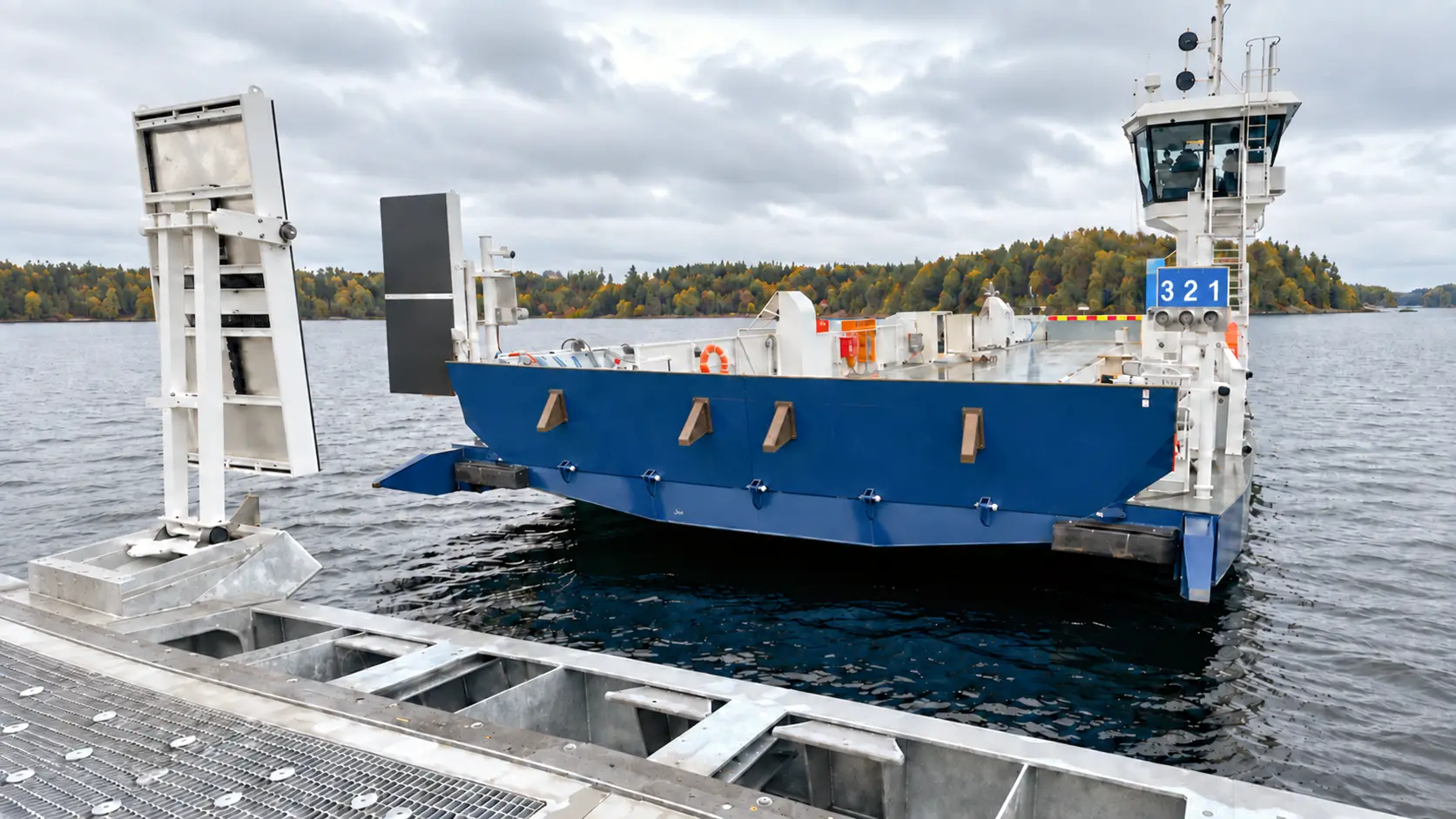
Challenge
Make every docking stop count, without extending the crossing.
Finferries operates short, frequent ferry crossings that are essential links for residents, businesses and road traffic in Finland's lake district. The ferries repeatedly come alongside for vehicles and passengers to board and disembark. Electrification therefore needs a way to replenish onboard batteries within the time already available at the berth, without adding another task for the crew.
The wider Lakeland modernisation programme will introduce 16 electric ferries across 12 routes by the end of 2028. Shore infrastructure, vessel conversions and charging systems have to be coordinated, including in the cold and wet conditions experienced at Finnish ferry berths.
Solution
100 kW of automatic charging, with no plug between shore and vessel.
Norwegian maritime systems integrator SEAM AS is delivering the integrated vessel electrification solution to ferry operator Finferries. SEAM has selected ENRX IPT as its supplier of 11 inductive wireless charging systems, each rated at 100 kW and operating at 20 kHz. Shore-side charging pads face matching receivers on the ferry when it comes alongside. Energy crosses the air gap automatically, allowing the batteries to be charged during normal docking activities, without connecting a cable or handling a charging arm.
For the Lakeland installations, the design provides a charging point at a designated end of the crossing. It uses shore-side power electronics, monitoring and vertical charging pads, together with onboard pickups, rectifiers and the vessel's battery-charging interface. Communication between shore and ship coordinates the process. ENRX IPT supplies its complete wireless charging equipment to SEAM, together with technical integration and commissioning support. SEAM is responsible for integrating this equipment into the overall vessel and shore-side electrical systems and delivering the integrated solution to Finferries.
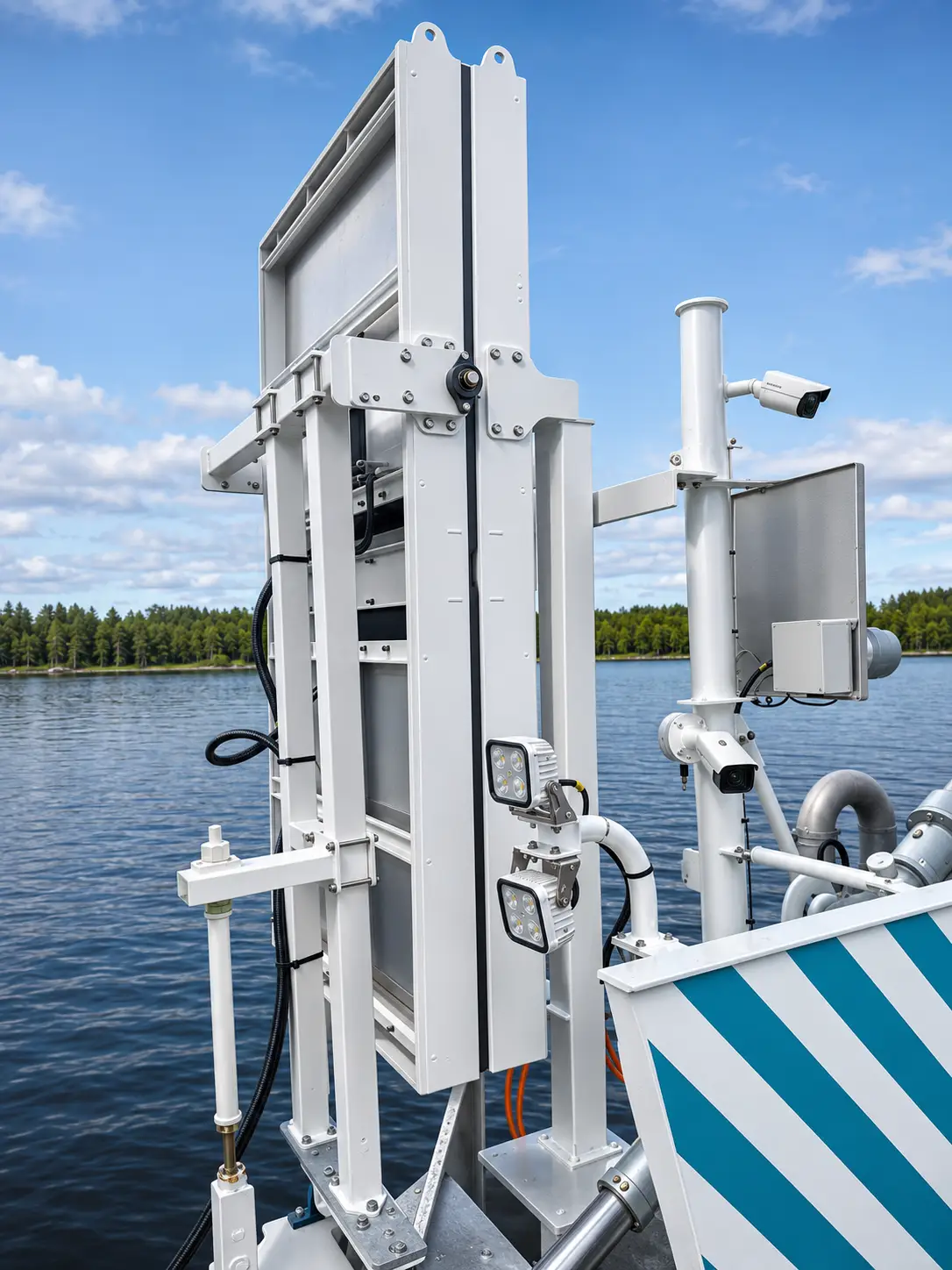
Built for repetitive service and Nordic conditions.
With no exposed electrical contacts between vessel and shore, the charging interface avoids plug-related corrosion and mechanical contact wear. It requires no manual connecting or disconnecting at each crossing, and is designed for operation in the rain, snow, salt and ice encountered in maritime environments. The systems are being delivered in phases as the vessels and berths are prepared.
Impact
More charging opportunities without changing the ferry's routine.
Automatic opportunity charging makes use of the minutes already scheduled at the berth. The crew can focus on loading, unloading and departure rather than handling a charging connector; there is no separate connection step to delay the turnaround. Contactless energy transfer also removes wear and corrosion associated with a conventional exposed plug-and-socket charging connection. These are operating benefits of the system design, not yet reported as measured fleet-wide savings for this project.
Frequent crossings make automatic charging valuable.
Lamposaari illustrates the operating challenge. Published October 2026 timetable data list approximately 136 scheduled departures per day from the mainland side of the route, with a five-minute crossing; Finferries lists the crossing distance as 380 metres. Each return to the equipped berth creates a potential opportunity to replenish battery energy without a separate action from the captain. The 136 figure describes scheduled ferry departures, not confirmed wireless charging sessions. Actual charging-session totals for this installation have not yet been published. Sources: published timetable based on Fintraffic data, October 2026 and Finferries route information.
First equipment delivered; a larger transition under way.
ENRX IPT has delivered the first wireless charging equipment to SEAM for the Finferries programme, with further deliveries planned in phases. SEAM integrates the equipment into the vessels' electrification systems before delivery to the ferry operator. Finferries' broader 2026–2047 Lakeland programme aims to reduce regional ferry traffic emissions by more than 90% compared with existing operations and increase ferry carrying capacity to 90 tonnes. These are targets for the wider vessel and infrastructure modernisation programme, not performance figures attributable to the wireless chargers alone.
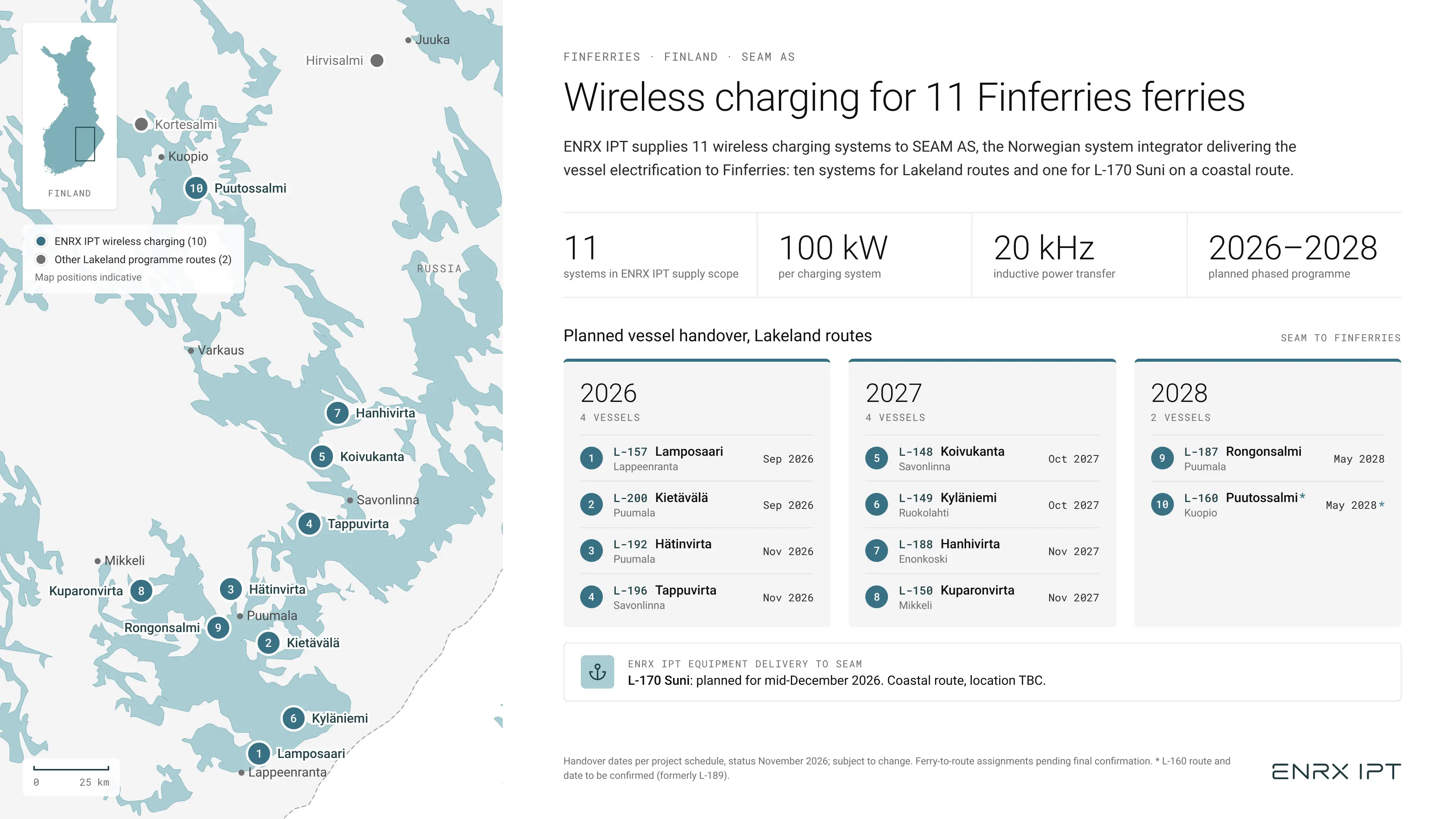
In October 2026, the new ferry on the Lamposaari route entered service, although Yle reported that shore-side electrical works were still being completed at the time. Commissioning and measured operational results for the ENRX systems will be reported as the rollout progresses. The Finnish project builds on ENRX IPT's experience with frequent automatic ferry charging in Fredrikstad, Norway.
Further reading: Finferries, Lakeland service agreement; Yle, Lamposaari ferry, 24 October 2026; SEAM charging solutions.
Results
systems in phased rollout
scheduled departures/day at Lamposaari
charging needs no captain action
Explore other relevant case studies

Continuous contactless power for 1,100+ AGVs worldwide
AGVs powered
powered routes
installations
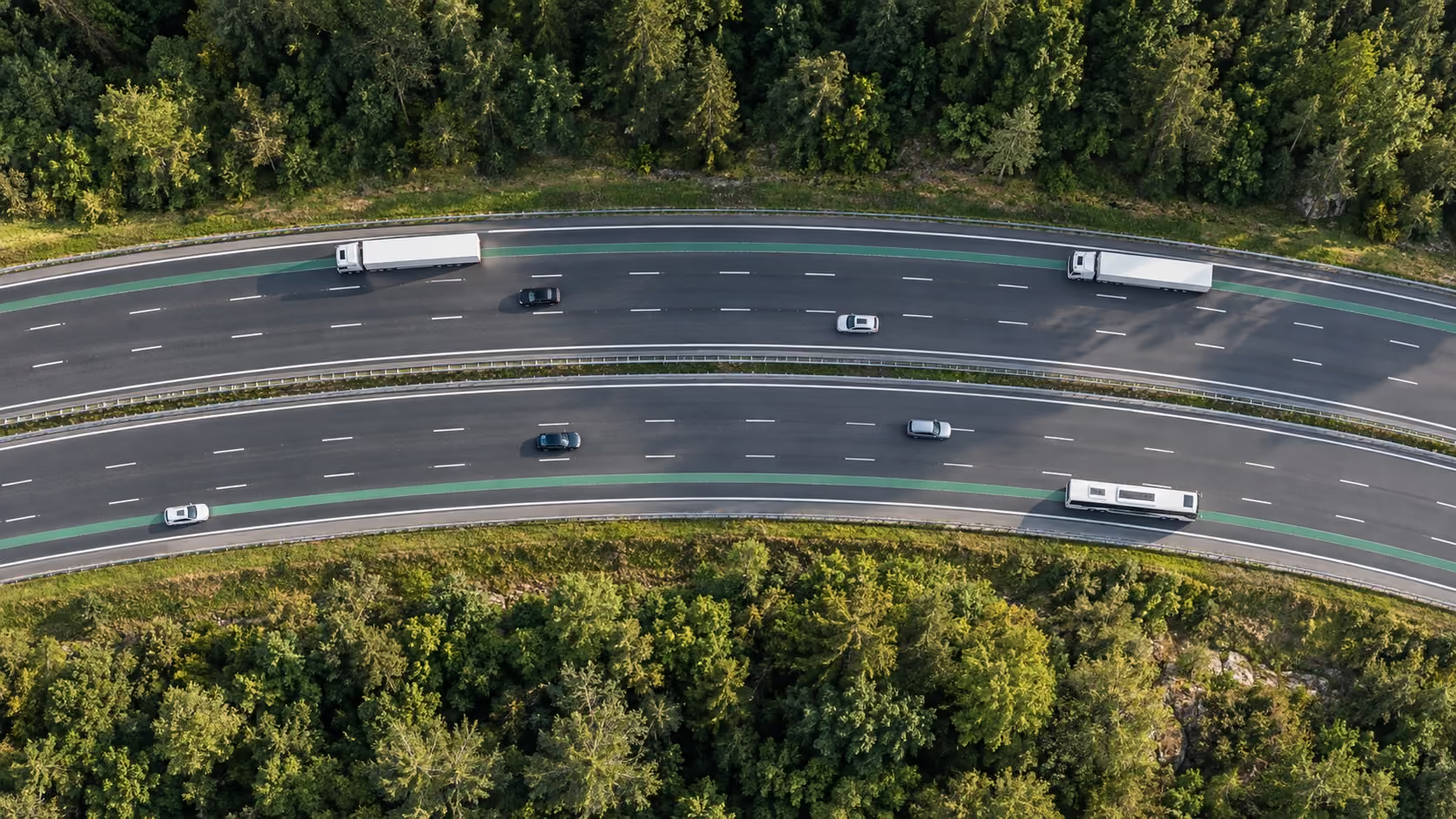
Florida SR 516 brings wireless charging to a public highway
planned charging pilot length
primary-side design rating
target vehicle-side output
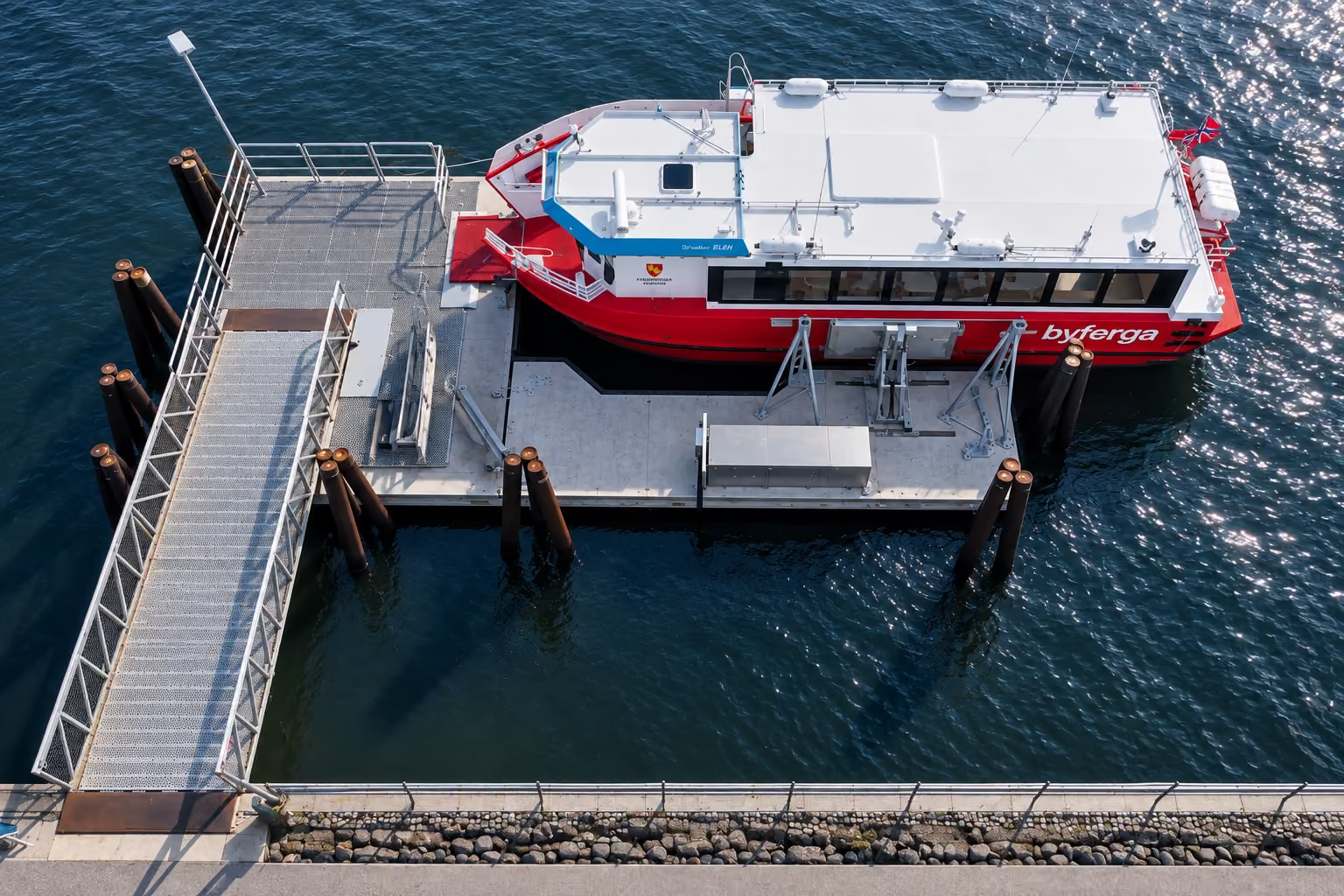
145 automatic wireless ferry charges every day
charges per day
average charge
electric ferries
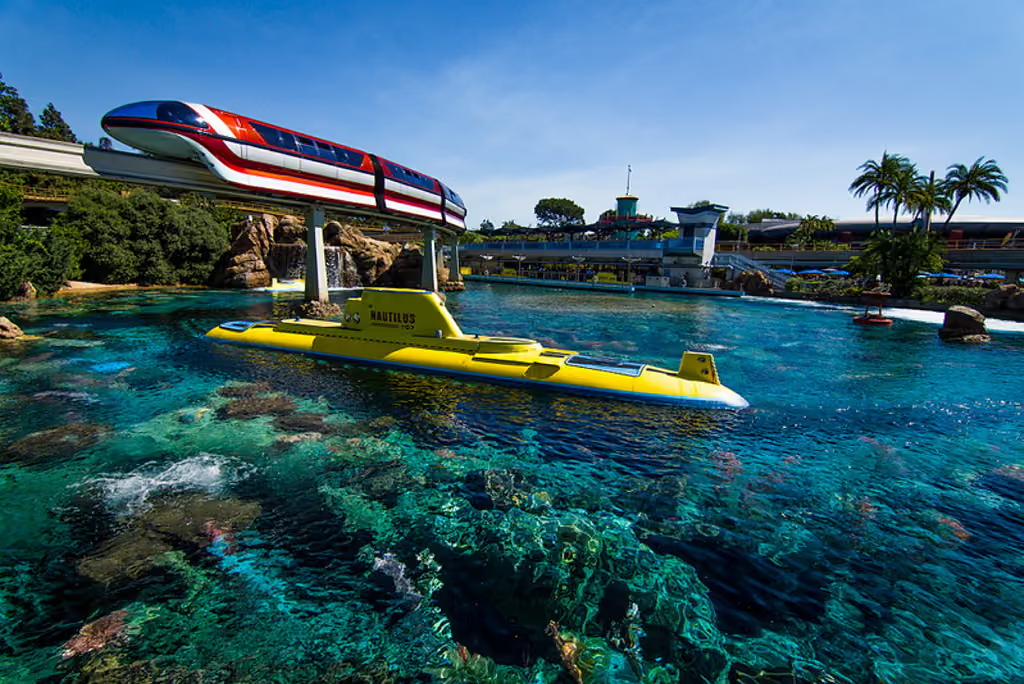
Powering Disneyland’s submarines 3 metres underwater
submarines powered
underwater track
technology in use
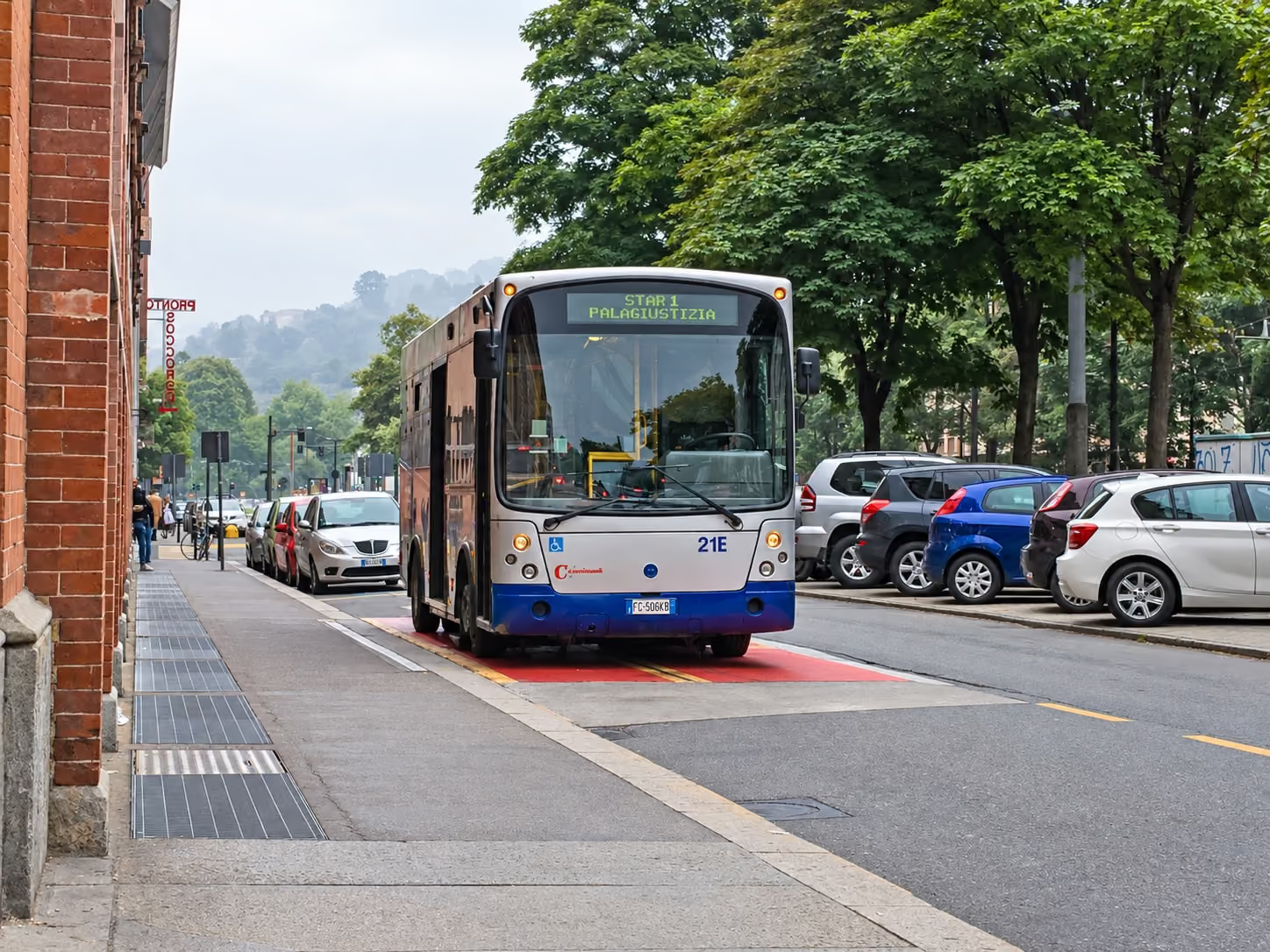
22 years of wireless bus charging without component replacement
original components
system availability
electric buses
Get in touch with our product experts.
And check if your integration fits and ask for all you need to know.