High-power wireless charging for vehicles in motion
PRIMOVE In-Motion transfers energy to electric vehicles while they drive over equipped routes. Developed for heavy-duty transport and demanding industrial applications, its three-phase inductive architecture supports high-power charging with smooth energy transfer. ENRX IPT works with OEMs and infrastructure partners to advance the next-generation 85 kHz system, with interoperability between stationary and dynamic charging at the heart of its development.
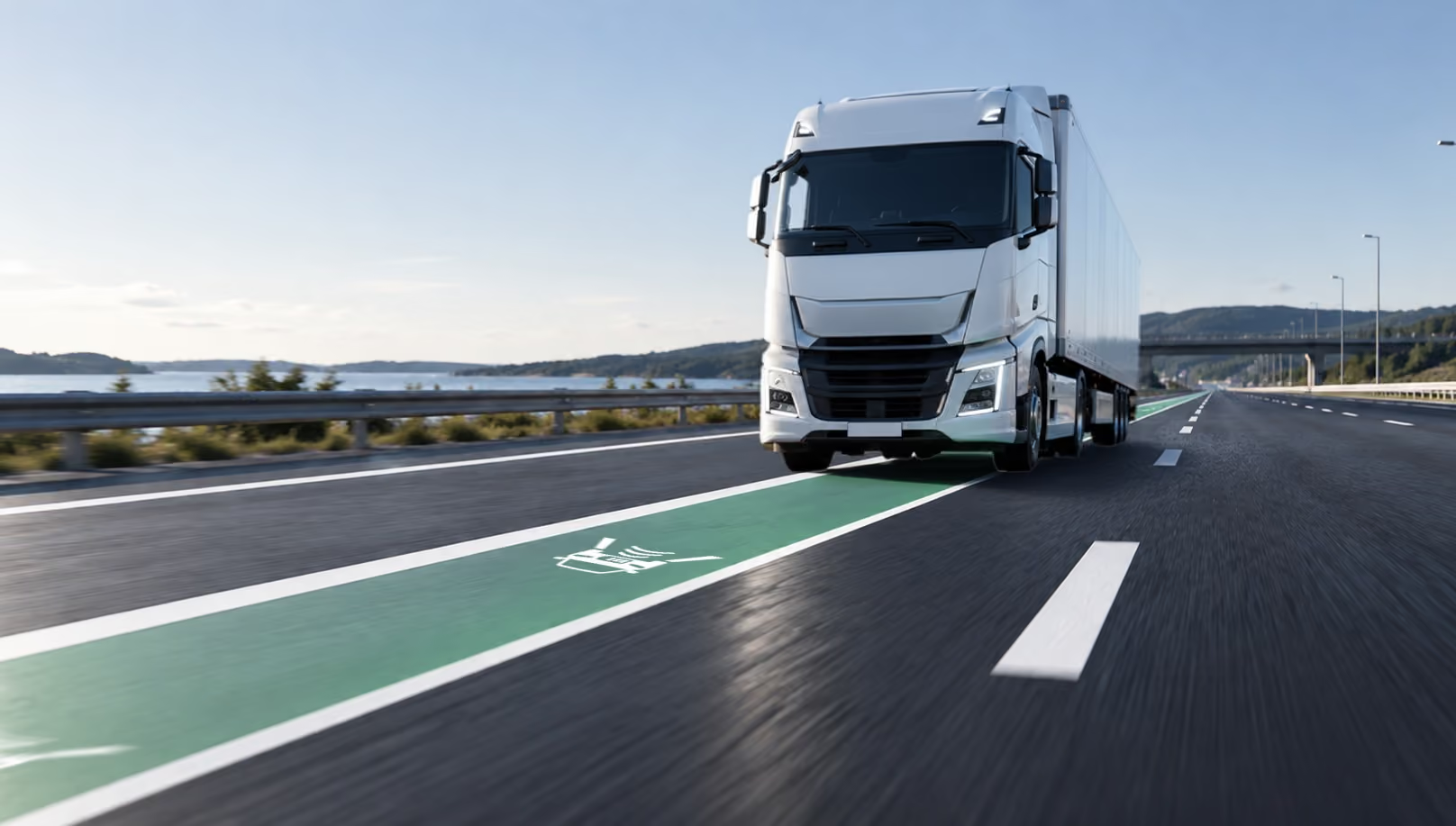
Wireless energy transfer built into the route
PRIMOVE In-Motion combines road-integrated primary windings, wayside power electronics, vehicle detection and a vehicle-mounted Pickup Rectifier (PicRec). Equipped vehicles receive energy across an air gap as they pass over active charging sections. The system is engineered with OEMs and infrastructure partners to suit the route, vehicle requirements and available electrical power.
High-power charging designed for real vehicle movement
PRIMOVE combines an overlapping three-phase winding design with a road-integrated charging system. The technology is being developed to serve different vehicle types and operating conditions, with continuous energy transfer and interoperability as key design principles.
Interoperability built into the design
PRIMOVE's next-generation architecture is being developed around different air gaps, power levels and receiver coil types. Combining stationary and in-motion charging is a central design goal, supporting a flexible platform for different vehicle classes and charging situations.
Continuous and consistent power transfer
Overlapping three-phase meander windings create a homogeneous magnetic field along the route. This supports smooth high-power transfer with low ripple as the vehicle crosses successive charging sections, reducing unnecessary power fluctuations at the charging interface.
Designed for real vehicle movement
Vehicles naturally deviate from the centre of their lane. PRIMOVE's three-phase winding geometry is designed to maintain energy transfer across permitted lateral offsets and varying ground clearances. The exact operating tolerances depend on the receiver and vehicle configuration.
Controlled magnetic field for real-world infrastructure
The primary winding and integrated ferrites are engineered to direct energy towards the vehicle and limit unwanted magnetic fields outside the charging area. Road-embedded passive components work with accessible wayside electronics to support infrastructure integration and maintenance.
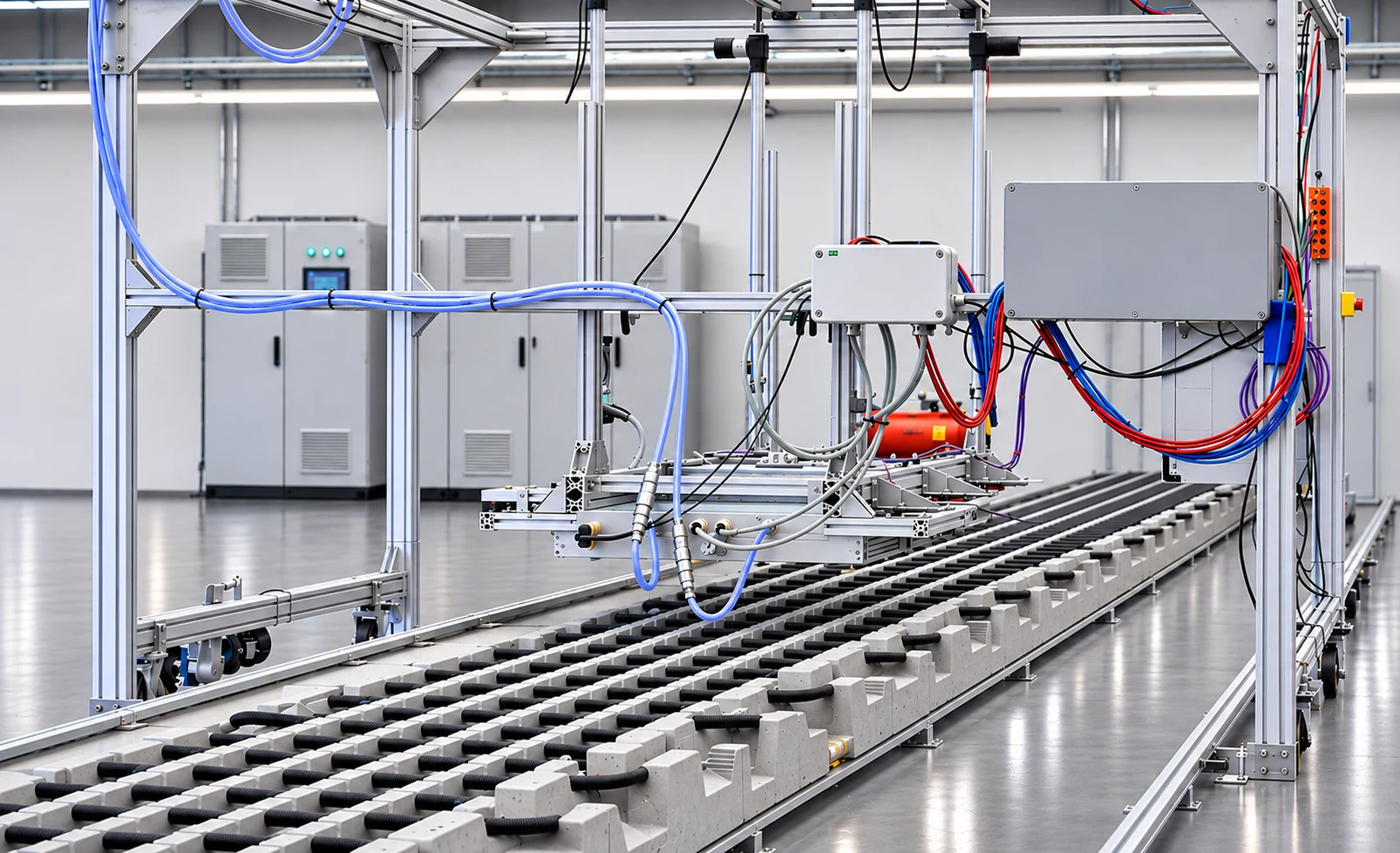
Charging integrated into the route
PRIMOVE In-Motion combines primary windings embedded in the route with Dynamic Wayside Power Converters (DWPC), vehicle detection and a vehicle-mounted Pickup Rectifier (PicRec). Charging sections are activated for authorised, equipped vehicles, transferring energy across an air gap while they drive.
ENRX IPT develops and supplies the inductive charging technology and supports its integration. We work with OEMs on vehicle interfaces and with infrastructure and electrical partners on road construction, power supply and commissioning.
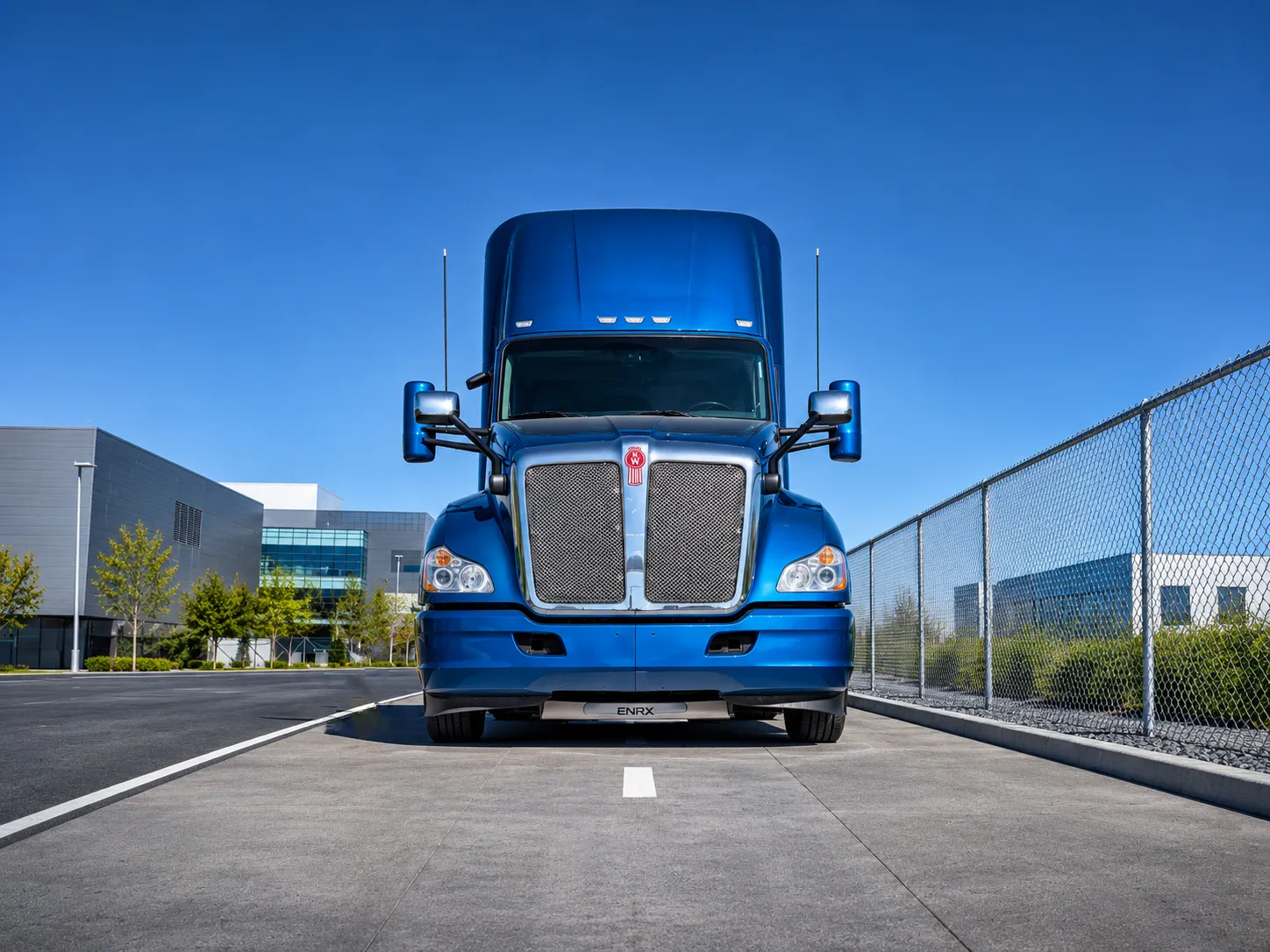
Connecting stationary and in-motion charging
A wireless charging infrastructure should be designed for more than a single vehicle or charging situation. The next-generation PRIMOVE platform is being developed around four aspects of interoperability: different vehicle ground clearances, power levels, receiver coil geometries and the ability to combine stationary and dynamic charging.
Our overlapping three-phase primary winding is designed to provide a consistent field for different vehicle-side receivers. Together with OEMs and infrastructure partners, ENRX IPT is advancing the interfaces that will allow vehicles to receive power while moving and at suitable stationary charging positions. Compatibility is assessed for each vehicle and system configuration.
RELATED APPLICATIONS
Explore PRIMOVE In-Motion applications
See where high-power wireless charging can be integrated into electric roads, heavy-duty transport and mining haulage routes.


Developed and tested on real charging routes

Florida SR 516 brings wireless charging to a public highway
planned charging pilot length
primary-side design rating
target vehicle-side output

ASPIRE built a next-generation electric roadway test section in Utah
concrete test track installed
primary-side design rating
system frequency

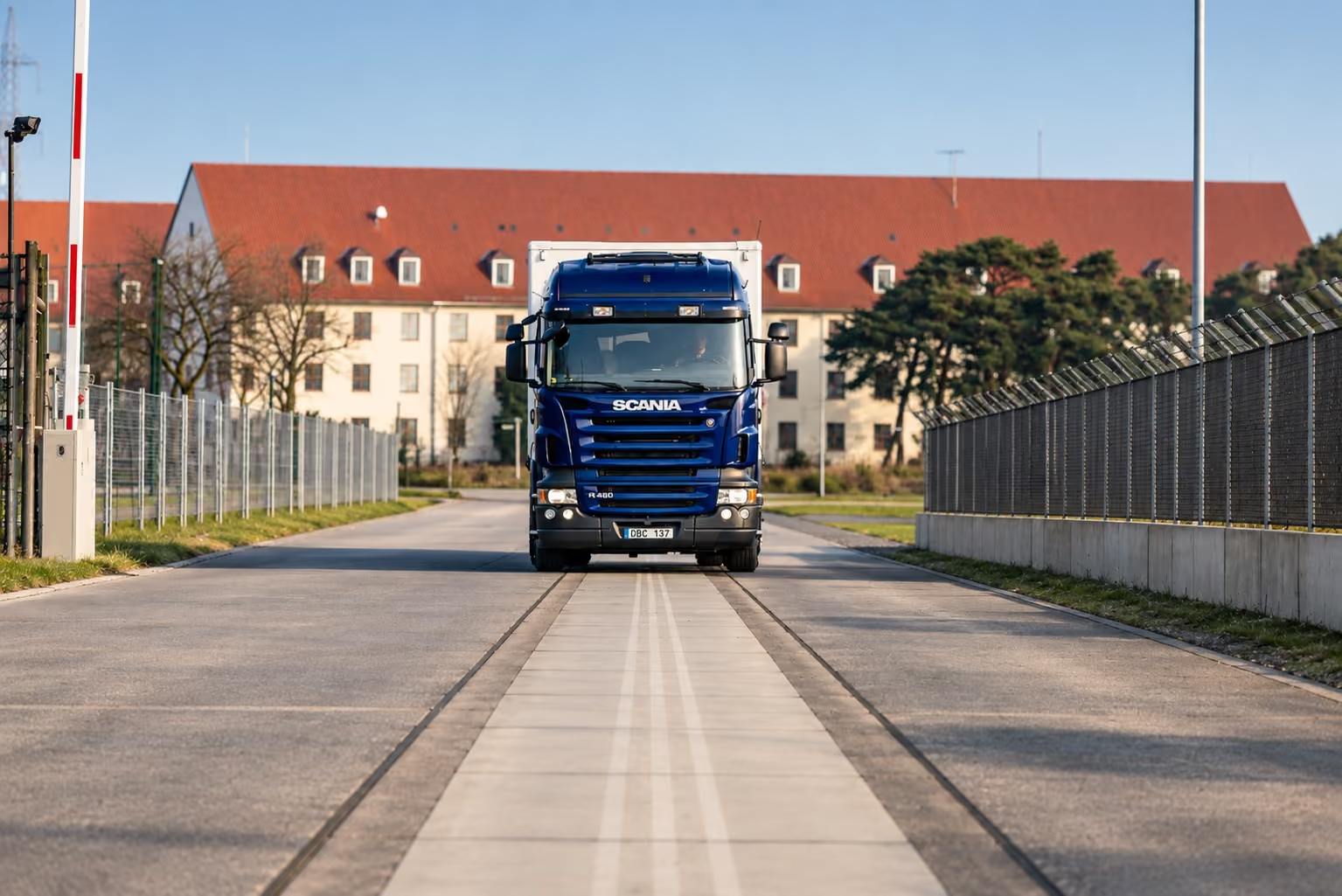
Scania truck tested 180 kW dynamic charging in Mannheim
power transferred
measured efficiency
tested driving speeds
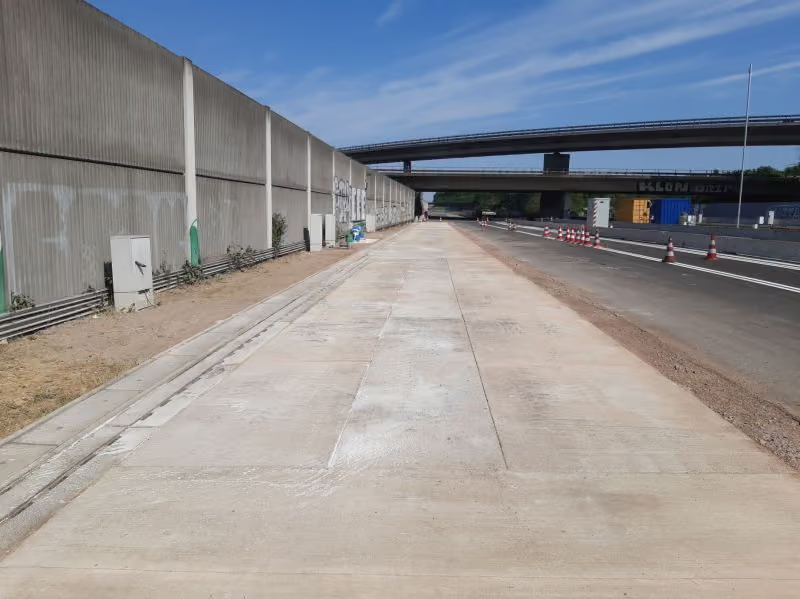
InductInfra advanced 85 kHz dynamic roadway integration
next-generation frequency
demonstrator length
modular charging segments
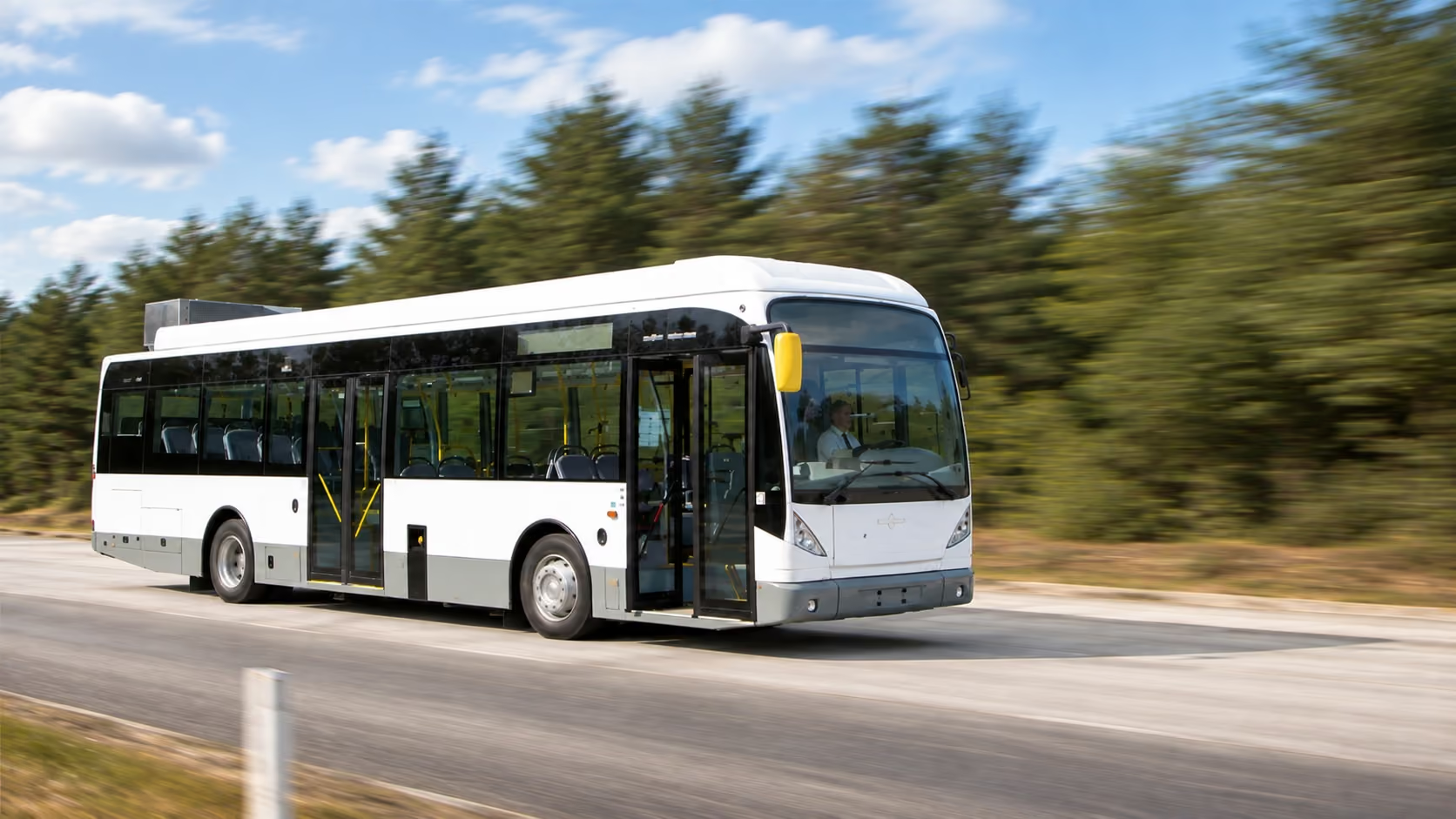
Dynamic wireless road charging demonstrated in Lommel
equipped road
maximum power transferred in trials
vehicle types tested

MINE.IO develops dynamic charging for underground trucks
primary-side design rating
vehicle receiver rating
operating frequency

Augsburg explored stationary and dynamic PRIMOVE charging
tram demonstration began
stationary and dynamic modes
tram and bus applications
Insights and resources
Download brochures and expert materials on our technologies and their industrial applications.
CFX & ENRX IPT – Dynamic Road Charging Pilot, Florida Q&A
CFX & ENRX – Florida Wireless Charging Pilot
Developing an electric vehicle or charging route?
Talk to ENRX IPT about high-power wireless charging for electric roads, mining routes and other heavy-duty applications. We work with OEMs, system integrators and infrastructure partners to define vehicle interfaces, power requirements and opportunities for stationary and in-motion charging.



What OEMs and infrastructure partners ask about PRIMOVE In-Motion
Answers on performance, interoperability, system integration and development.
What charging power does PRIMOVE In-Motion support?
The next-generation PRIMOVE In-Motion system is designed for 220 kW on the infrastructure side, targeting approximately 200 kW delivered to the vehicle at 90% efficiency. Earlier PRIMOVE dynamic road demonstrations transferred up to 180 kW at 90% efficiency or higher. Actual performance depends on the vehicle, receiver, air gap, route and system configuration.
Can PRIMOVE In-Motion and Stationary work together?
Combining stationary and dynamic charging is a central objective of the next-generation PRIMOVE architecture. Previous demonstrations have already combined the two charging modes, while common vehicle interfaces and compatibility for new 85 kHz configurations remain part of ongoing development. Existing 20 kHz systems are not automatically interchangeable with the new platform.
How does PRIMOVE handle vehicles moving within the lane?
Its overlapping three-phase winding geometry is designed to accommodate normal lateral movement without relying on a perfectly centred driving line. Permitted offsets and ground clearances must still be evaluated for each vehicle and receiver arrangement.
What does ENRX IPT supply for an electric road project?
ENRX IPT develops and supplies the inductive power-transfer system, including wayside power conversion, primary charging components, vehicle detection and the PicRec vehicle receiver. Civil engineering, road construction and grid connection are carried out with qualified infrastructure, electrical and OEM integration partners.
Is PRIMOVE In-Motion available for commercial projects?
PRIMOVE has a history of dynamic charging demonstrations and the next-generation 85 kHz platform is being developed through infrastructure and vehicle integration projects. OEMs and project partners can engage with ENRX IPT to assess technical requirements, development scope and suitable implementation pathways.
Can different vehicle types use the same charging route?
Interoperability across vehicle classes, receiver designs, air gaps and power levels is part of the next-generation design. Actual compatibility depends on the validated receiver configuration, vehicle control interfaces and system requirements. Individual applications are assessed with OEMs and infrastructure partners.