Wireless charging that works with the mining cycle
Electric mining vehicles need energy without unnecessary interruptions to production. ENRX IPT develops stationary and in-motion wireless charging technologies that can be integrated into heavy-duty mining vehicles and mine infrastructure, supporting electrification above and below ground.
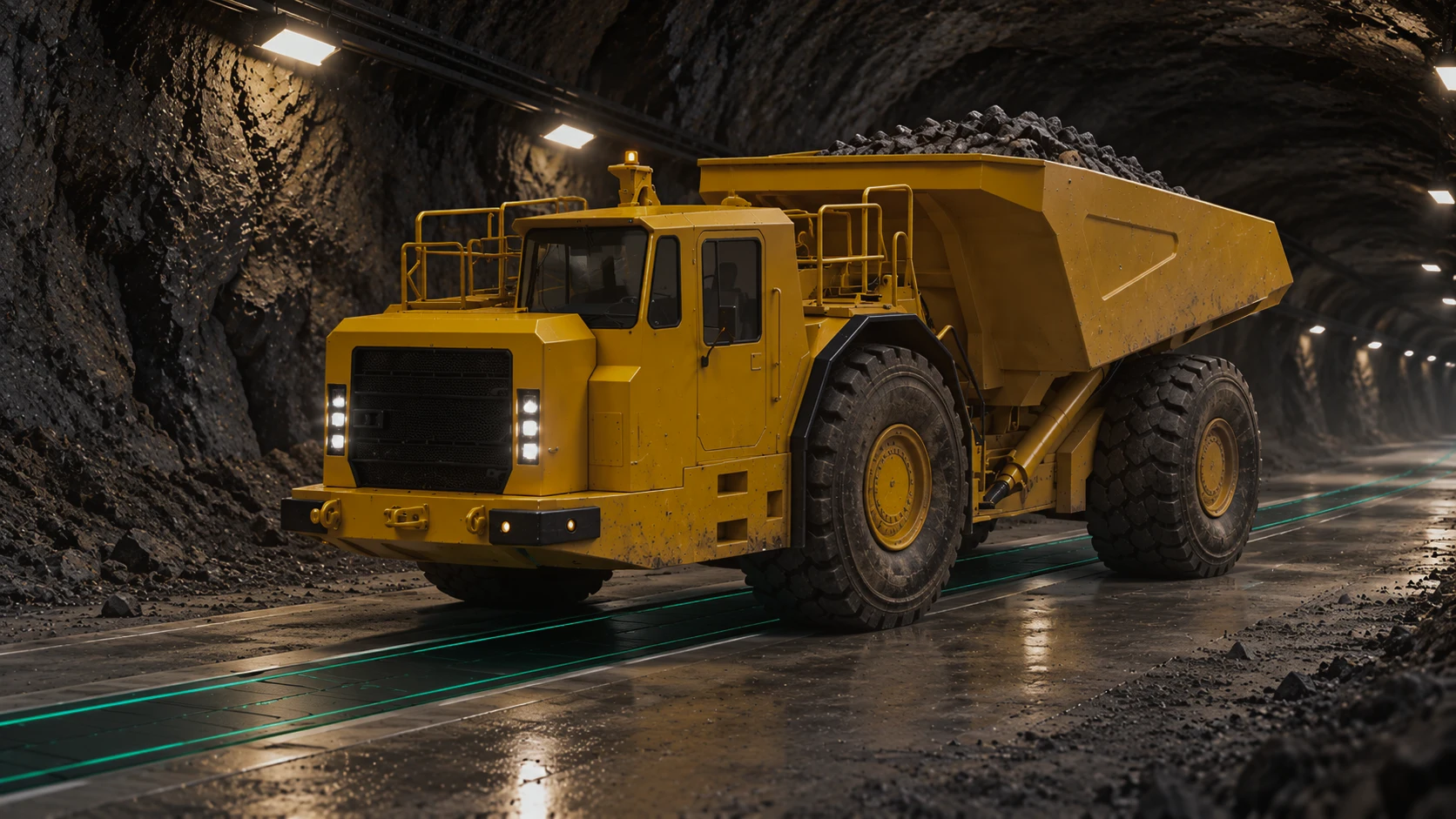
Charging without interrupting mining operations
Mining vehicles operate on demanding routes between loading and unloading areas, often around the clock. Charging must fit these operations without unnecessary downtime. PRIMOVE Stationary delivers energy during existing stops, while PRIMOVE In-Motion charges vehicles along equipped sections of their routes. Both technologies can support underground and surface mining operations.
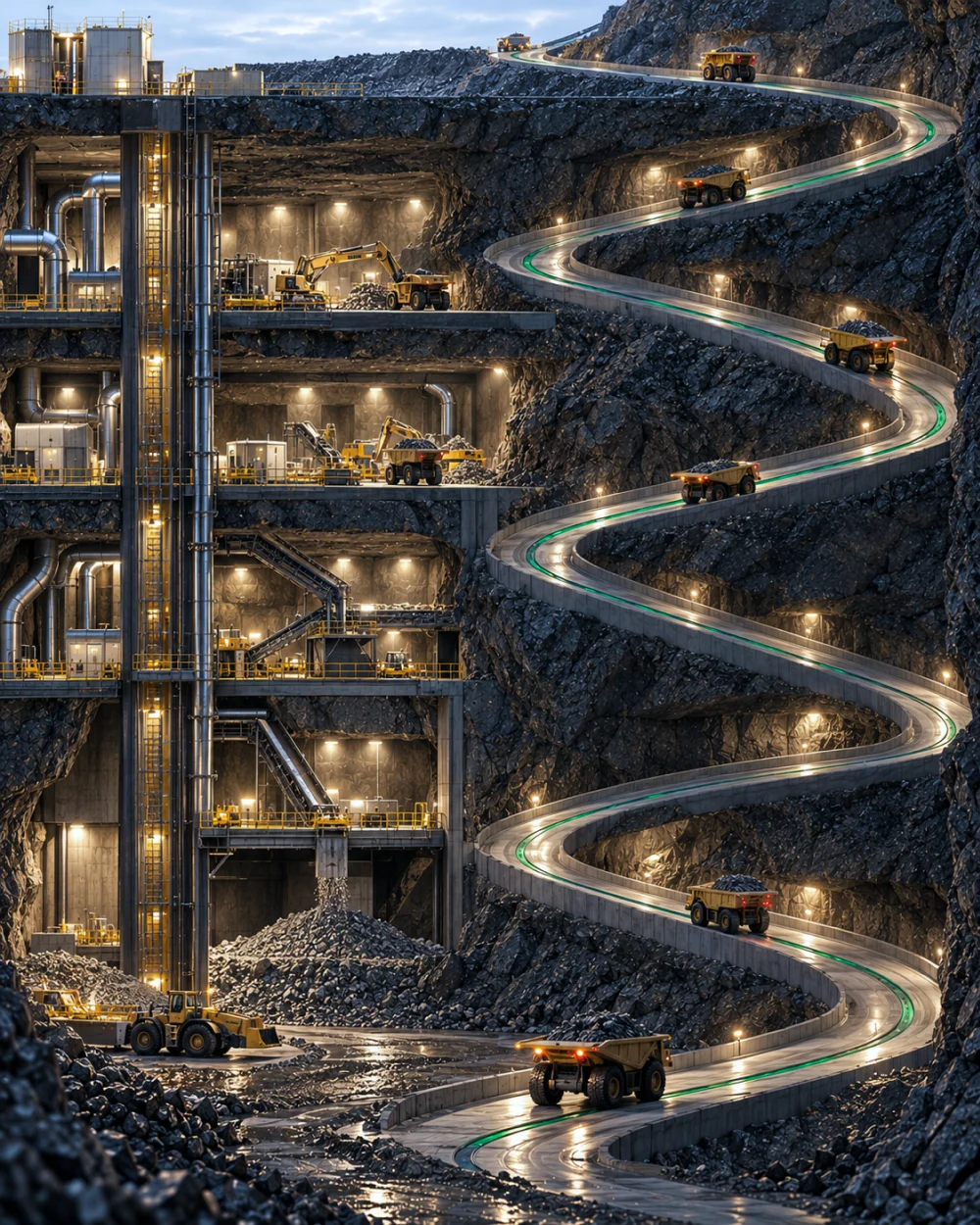
Keep mining trucks moving while charging
Mining trucks consume significant energy, especially when hauling heavy loads uphill. PRIMOVE In-Motion transfers power from charging sections integrated into the haulage route to a receiver beneath the vehicle. Trucks receive energy while driving, helping reduce charging interruptions and improve vehicle availability. The infrastructure is designed around existing routes and the demanding conditions of underground and surface mining.
More hauling. Less downtime
Trucks receive energy while transporting material along equipped routes. Charging becomes part of daily operations, reducing the need for dedicated charging stops and helping maximise productive operating time.
No sliding contacts to maintain
Pantographs and overhead wires rely on physical contact that requires inspection and maintenance. Inductive charging transfers energy across an air gap, eliminating mechanical contact wear at the charging interface.
Charge where energy demand is highest
Mining vehicles repeatedly travel the same haulage routes. Charging sections can be positioned strategically, including on demanding uphill stretches, based on vehicle movements, energy consumption and available infrastructure.
Reliable energy transfer in harsh conditions
Dust, dirt and moisture are part of everyday mining. Contactless energy transfer eliminates exposed charging contacts. MINE.IO tests with representative mining soil and dust showed no measurable additional losses under the tested conditions.
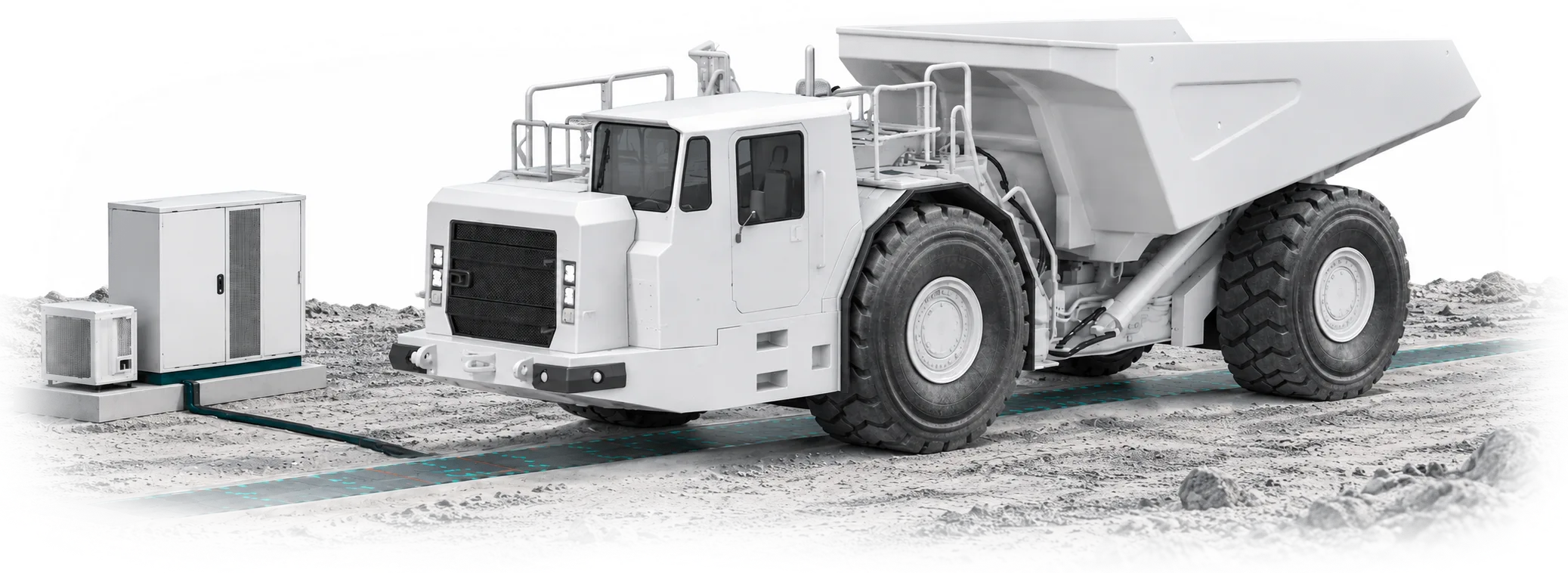
Charging built into the haulage route
Primary charging sections integrated into the haulage route transfer energy to a receiver beneath the moving truck. Power supplies and control equipment are positioned away from the driving path. ENRX IPT works with vehicle manufacturers and mine operators to design the system around vehicle clearance, route geometry and energy demand.
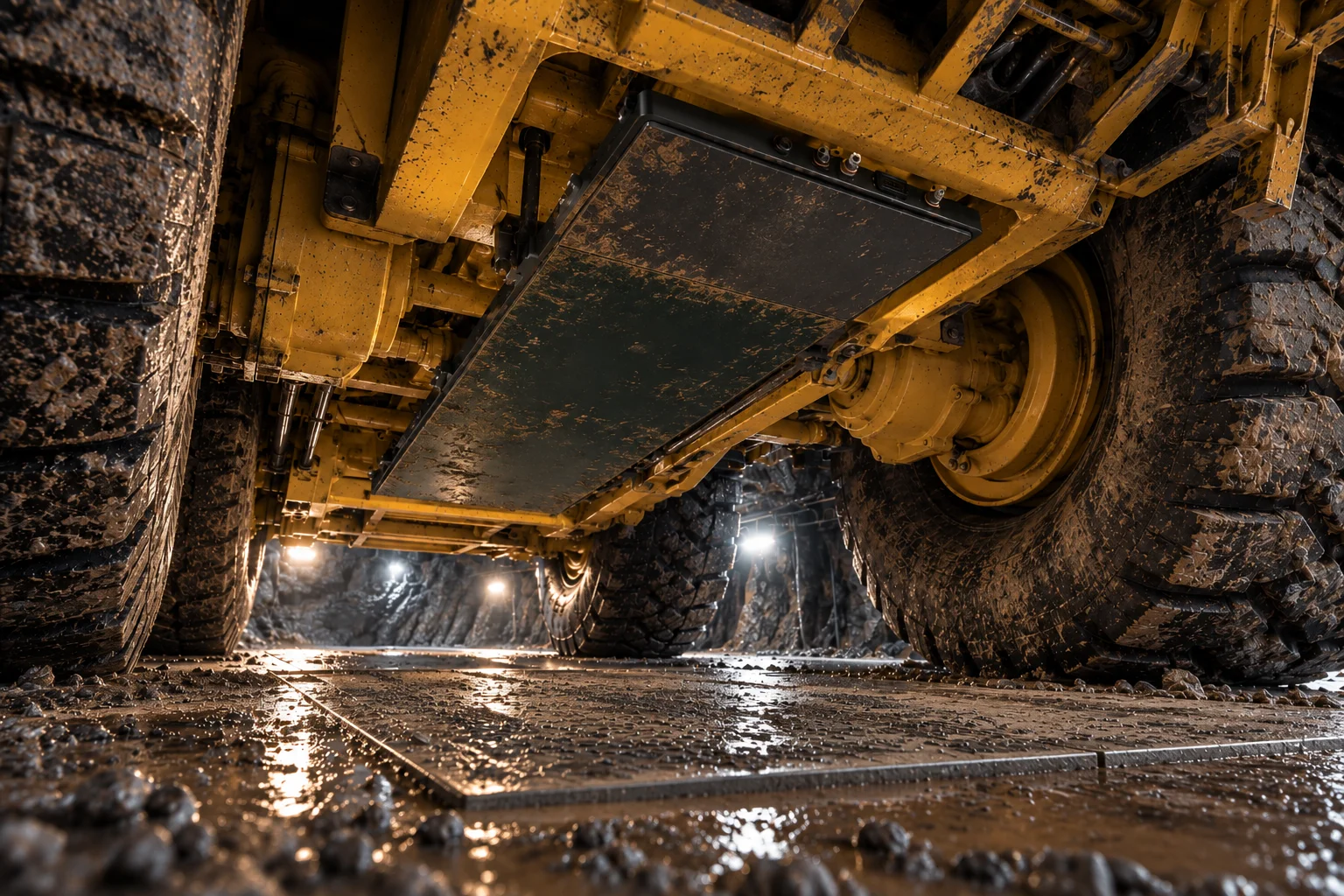
Charge during the stops trucks already make
Mining trucks regularly stop for loading, unloading, shift changes and servicing. PRIMOVE Stationary turns suitable stops into automatic charging opportunities. Energy transfers from a ground-side charging pad to a receiver beneath the vehicle, without manual connections. Charging becomes part of the existing operation, helping keep vehicles available for production.
Turn waiting time into charging time
Trucks already spend time at loading points, waiting areas and service locations. Wireless charging uses these existing stops to replenish energy without adding a separate charging task or unnecessarily interrupting operations.
No manual charging connections underground
Energy transfers across an air gap without a galvanic connection between the vehicle and charging infrastructure. Operators do not need to handle high-power charging connectors, reducing connection-related risks in demanding underground environments.
Keep working areas clear
Charging pads are integrated into or positioned on the ground, while power electronics can be installed away from the charging position. No cables or charging equipment need to obstruct vehicle movements or daily operations.
Built for harsh mining conditions
Dust, mud, moisture and rocks are part of everyday mining. Contactless energy transfer eliminates exposed charging contacts, avoiding contact wear and reducing maintenance associated with conventional charging connections.
Wireless charging technology for mining vehicles
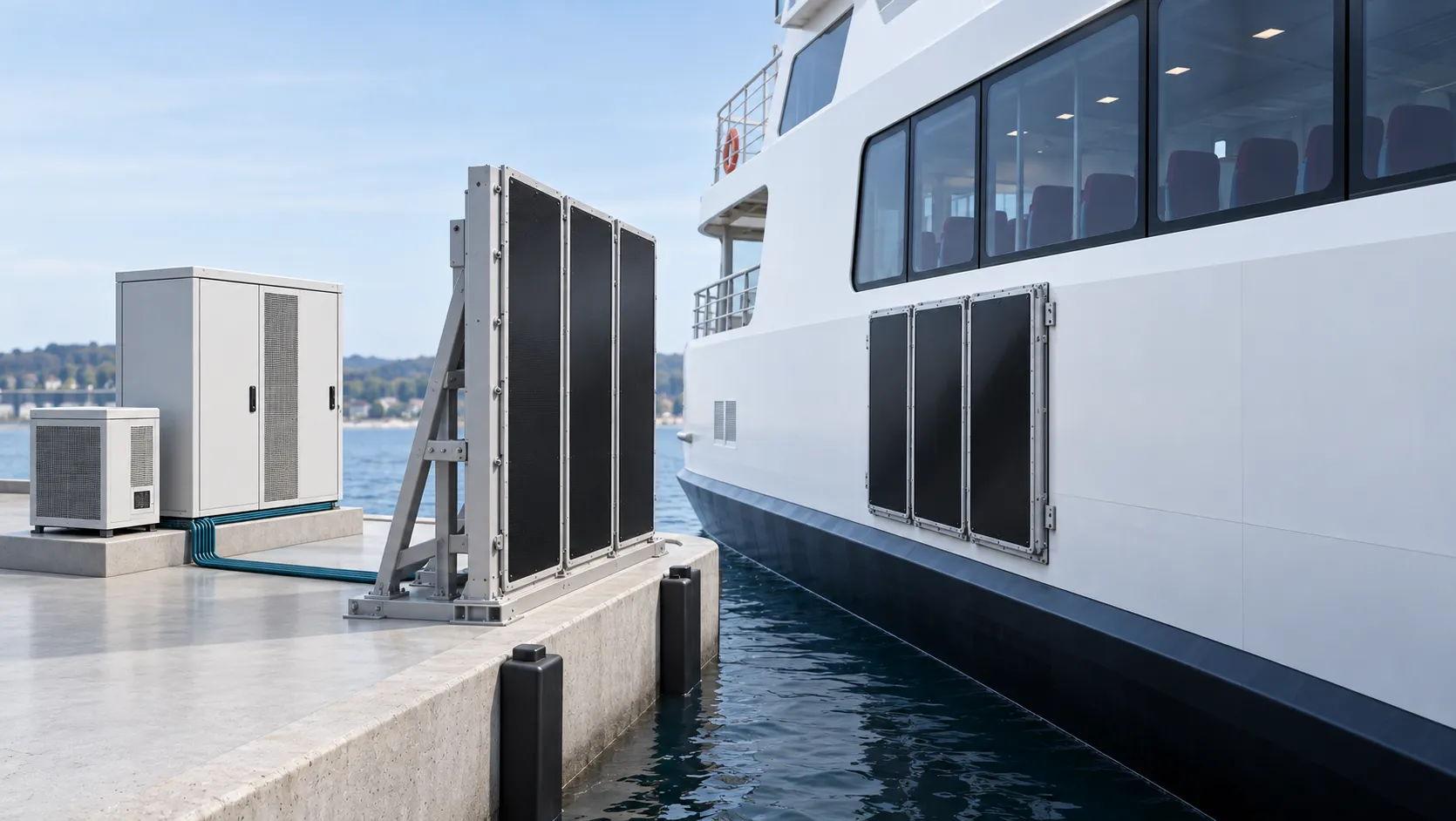
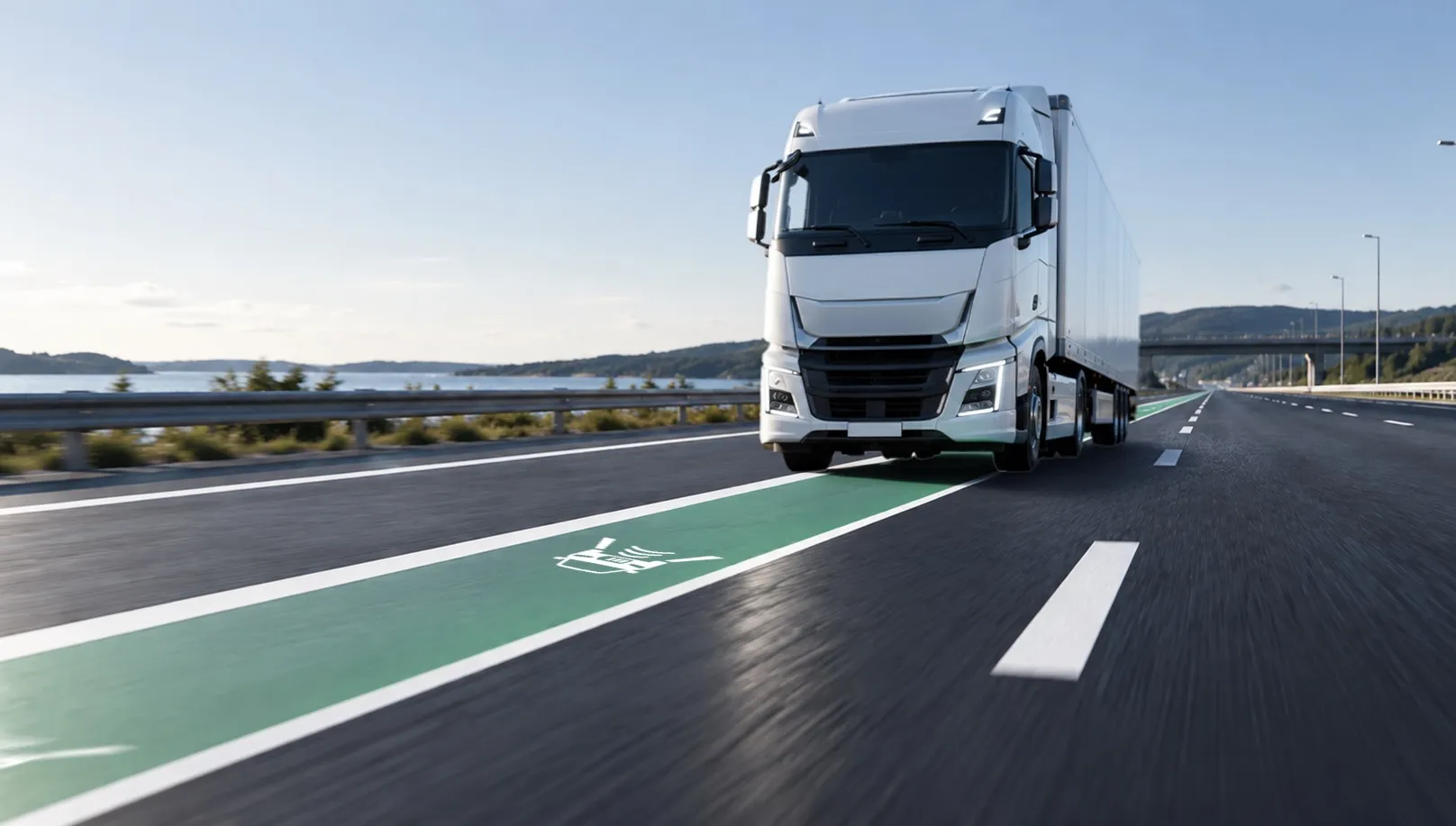
At work every day. For decades
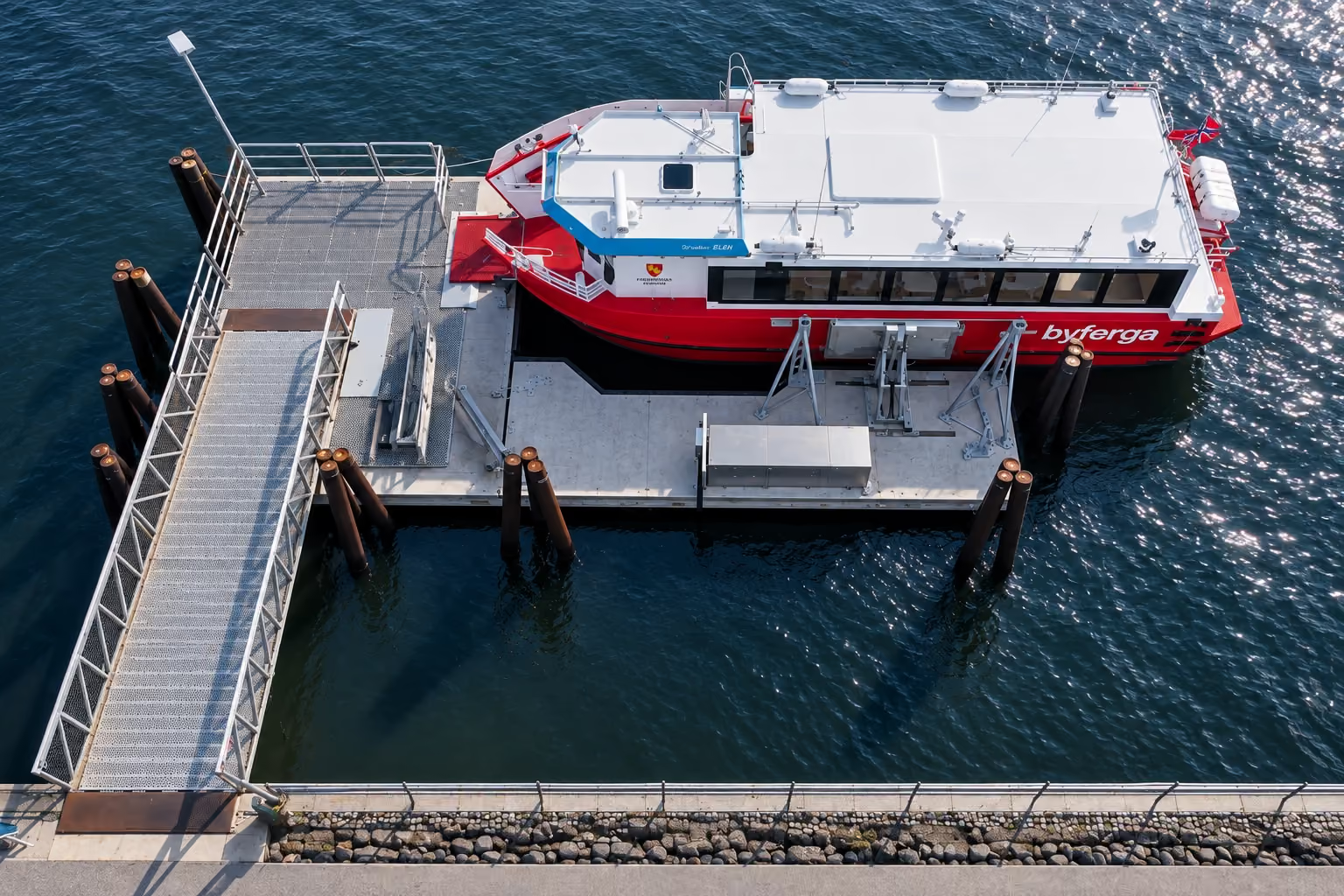
145 automatic wireless ferry charges every day
charges per day
average charge
electric ferries
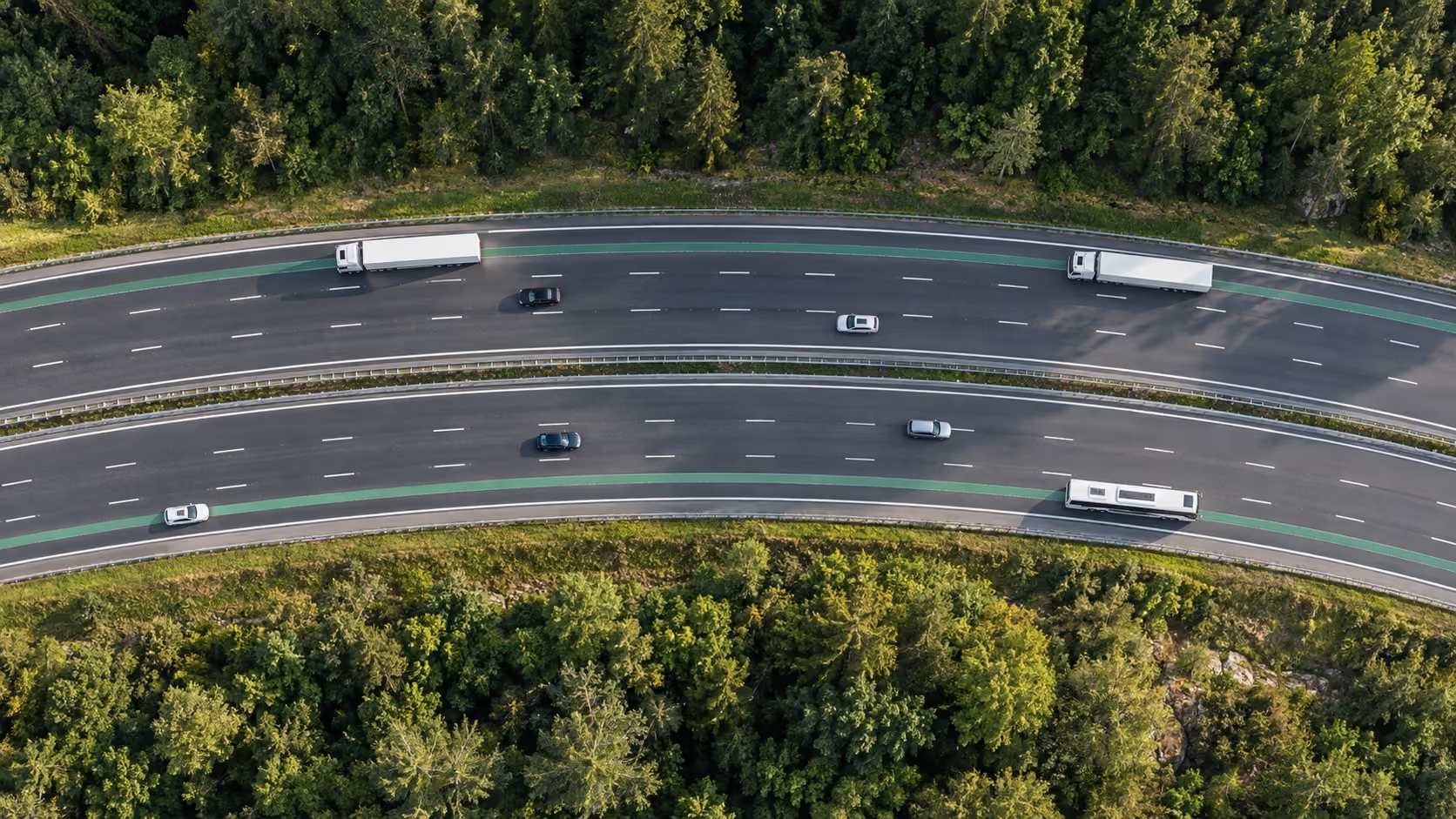
Florida SR 516 brings wireless charging to a public highway
planned charging pilot length
primary-side design rating
target vehicle-side output
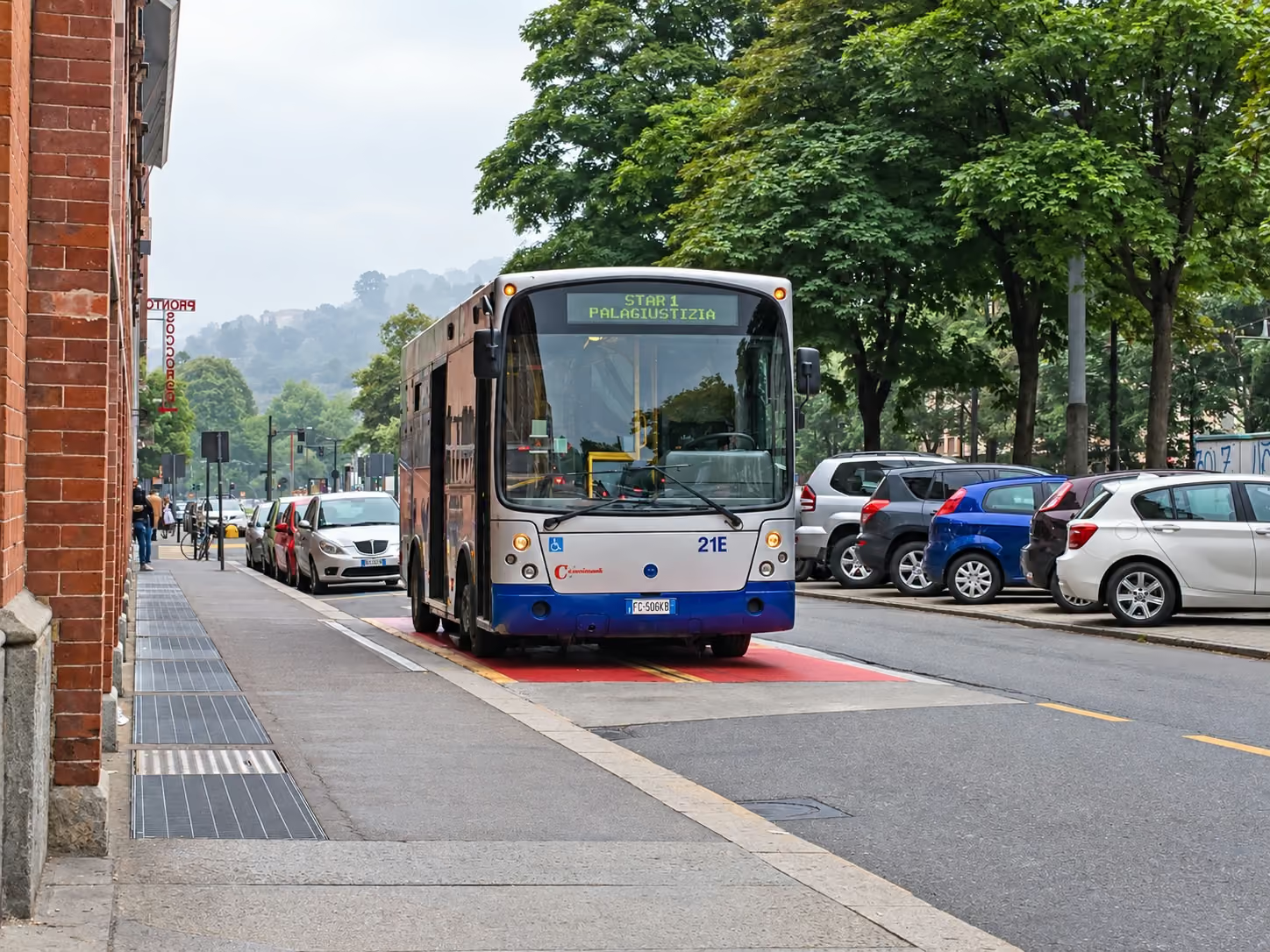
22 years of wireless bus charging without component replacement
original components
system availability
electric buses

ASPIRE built a next-generation electric roadway test section in Utah
concrete test track installed
primary-side design rating
system frequency
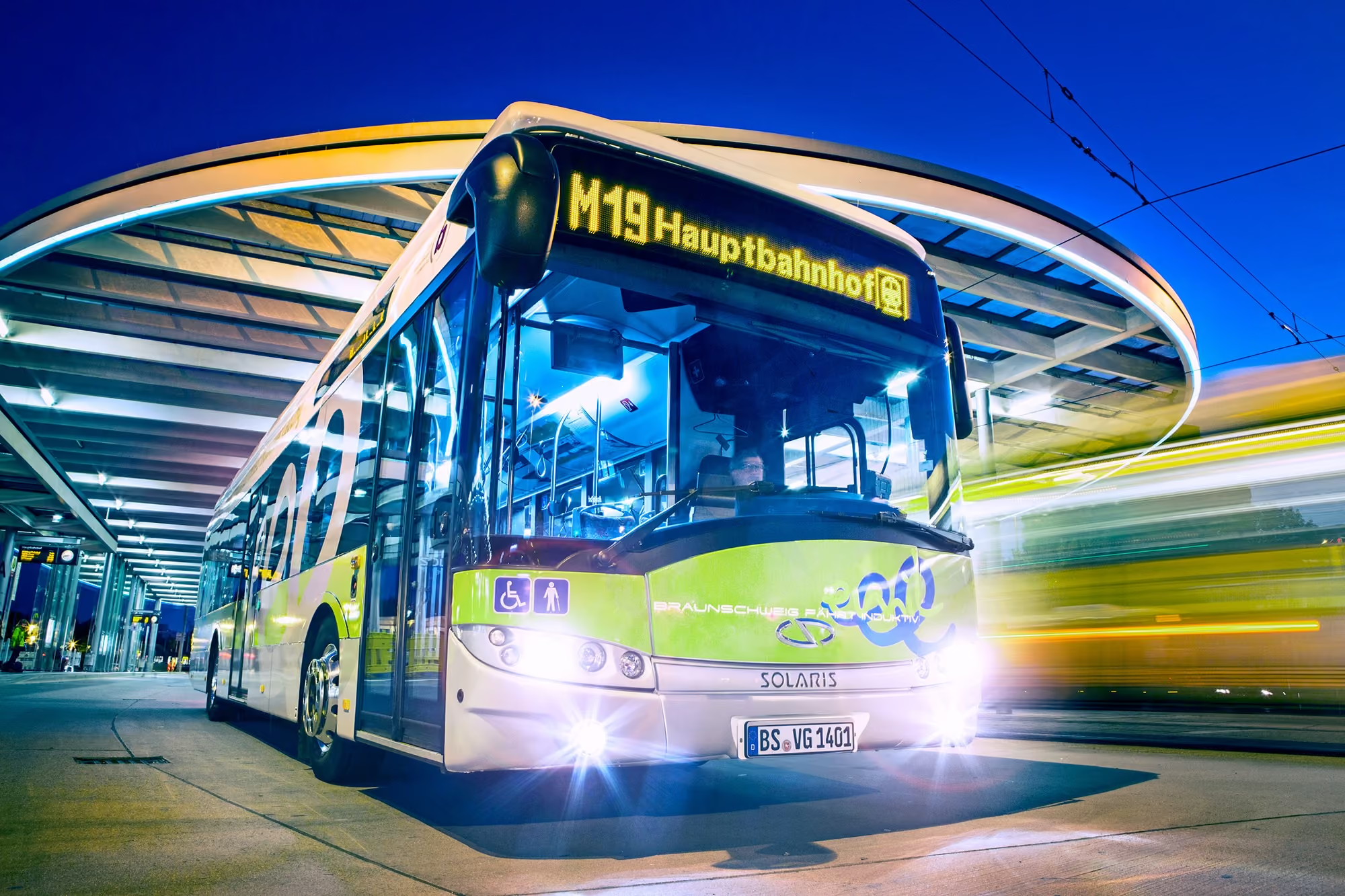
12 years of wireless charging in Braunschweig
in service
fleet distance
electric buses

Scania truck tested 180 kW dynamic charging in Mannheim
power transferred
measured efficiency
tested driving speeds
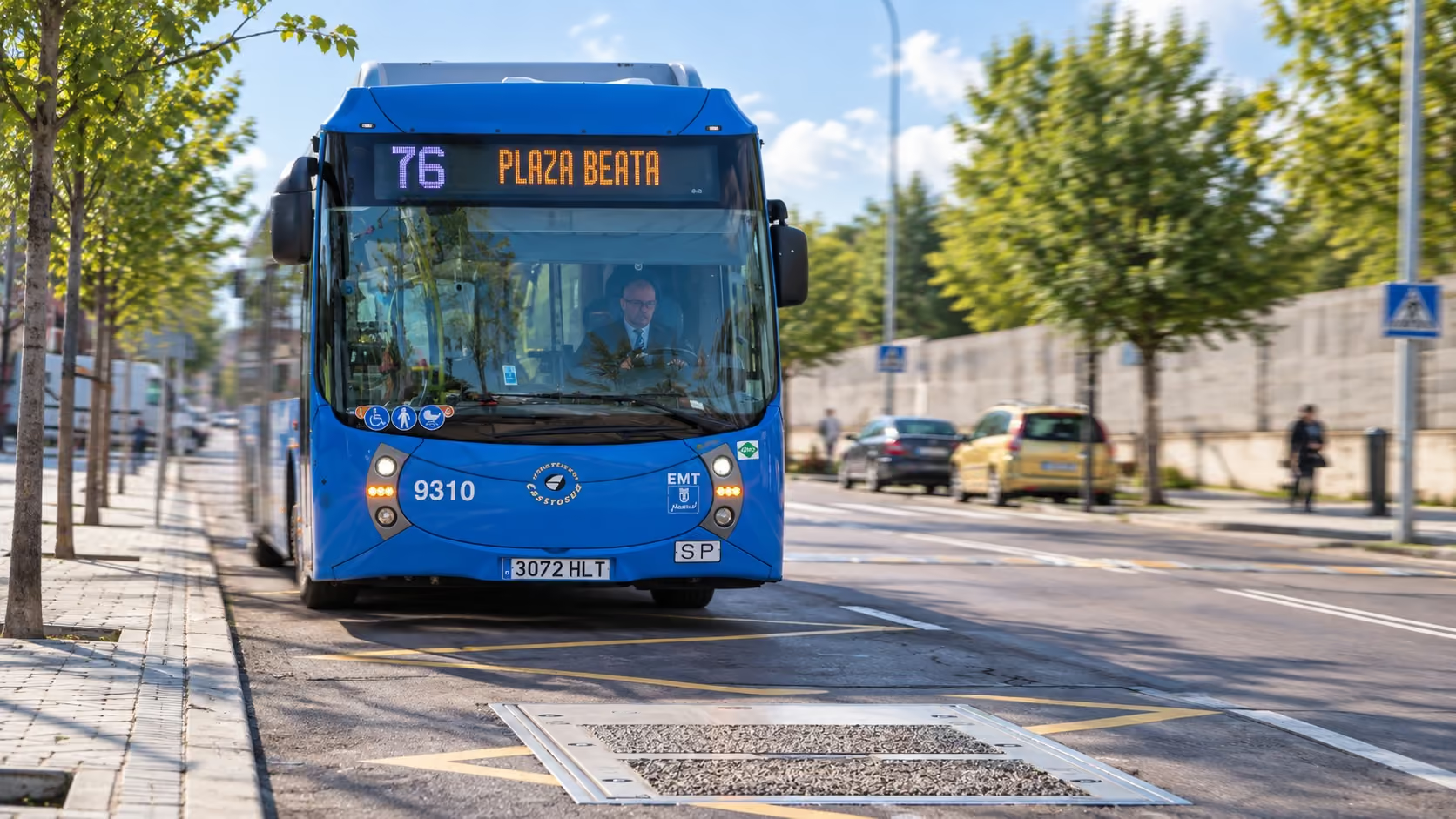
Converting Madrid’s bus fleet with wireless charging
charging time
buses converted
charging efficiency
Get in touch with our product experts
And check if your integration fits and ask for all you need to know.



What mining OEMs and operators ask us
Common questions about wireless charging for mining vehicles and infrastructure.
Can mining trucks charge while driving?
Yes. PRIMOVE In-Motion transfers energy from equipped sections of the haulage route to a receiver beneath the vehicle. Trucks receive power while driving, without stopping to charge. The amount of energy transferred depends on vehicle speed, charging power and the length of the equipped route.
Does the entire haulage route need charging infrastructure?
No. Charging sections can be installed along selected parts of the route. Frequently used corridors and uphill sections with high energy demand are particularly relevant for evaluation. The layout is determined by vehicle movements, energy consumption and available electrical infrastructure.
Can stationary and in-motion charging be combined?
Yes. A mine can use stationary charging at suitable stopping positions and dynamic charging along selected haulage routes. The appropriate combination depends on how the vehicles operate, their charging requirements and the available infrastructure. Vehicle-side compatibility is assessed during system design.
Can wireless charging reduce battery size?
Potentially. Supplying energy during operation or existing stops can reduce the energy a vehicle must carry between charging opportunities. Whether a smaller battery is possible depends on the duty cycle, charging capacity and energy consumption. ENRX IPT evaluates these requirements with the vehicle manufacturer.
Which mining vehicles can use PRIMOVE?
PRIMOVE technology can be evaluated for battery-electric mining trucks and other heavy-duty off-highway vehicles. Integration depends on vehicle dimensions, ground clearance, available mounting space, DC architecture and battery charging requirements. ENRX IPT works directly with OEMs to assess technical compatibility.
How does wireless charging perform in dust, mud and water?
Energy transfers across an air gap without exposed electrical charging contacts. During MINE.IO, ENRX tested representative mining soil and dust under energised conditions and found no measurable additional losses or disturbance. Complete installations must still be validated for their specific environmental conditions.
What changes are required to the mine infrastructure?
Dynamic charging requires prepared roadway sections, electrical distribution, power electronics and controls. Stationary charging requires suitable charging positions and associated electrical equipment. Road construction, drainage, traffic clearance, maintenance access and underground safety requirements are considered during project engineering.
Has the technology been tested in mining conditions?
Yes. Within MINE.IO, ENRX developed and tested dynamic wireless charging hardware for underground mining applications. The project included a 200 kW vehicle-side system, environmental testing and simulations based on the Björkdal mine in Sweden. Dynamic charging was also demonstrated at ENRX facilities in Poland. This is a development reference, not a commercial mining installation.