A road that charges what drives over it
An equipped road section transfers power wirelessly to compatible electric vehicles while they move. With no plug to connect, no overhead equipment to reach and no charging stop to schedule, the road becomes part of the vehicle’s energy supply.
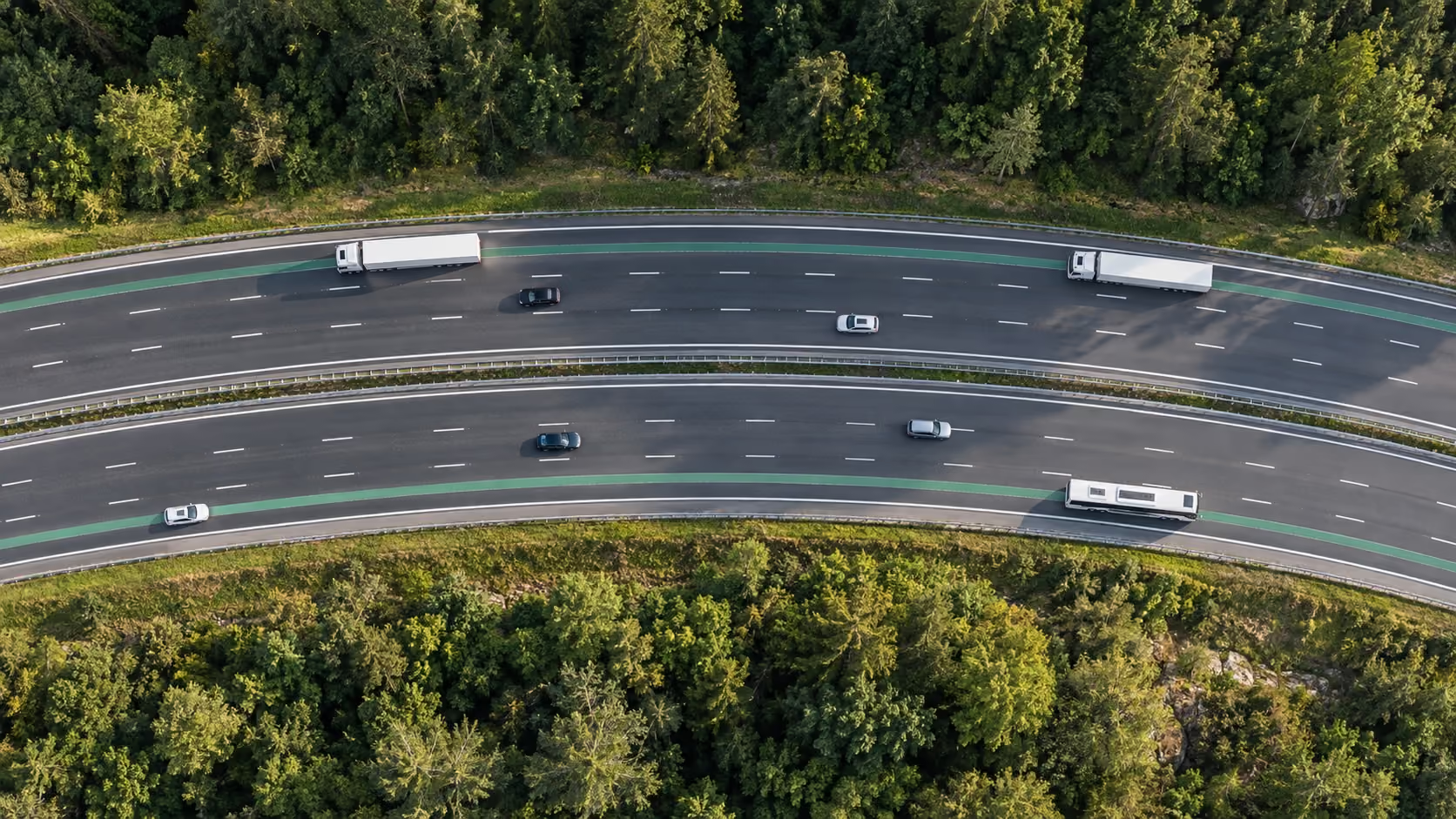
From highways to terminals, the route delivers the energy
An equipped road can charge vehicles at motorway speed or along a controlled route. The same principle works from freight corridors and bus routes to airports, taxi lanes, ports and terminals. Each installation is designed around the speed, traffic pattern, energy demand and charging time available.
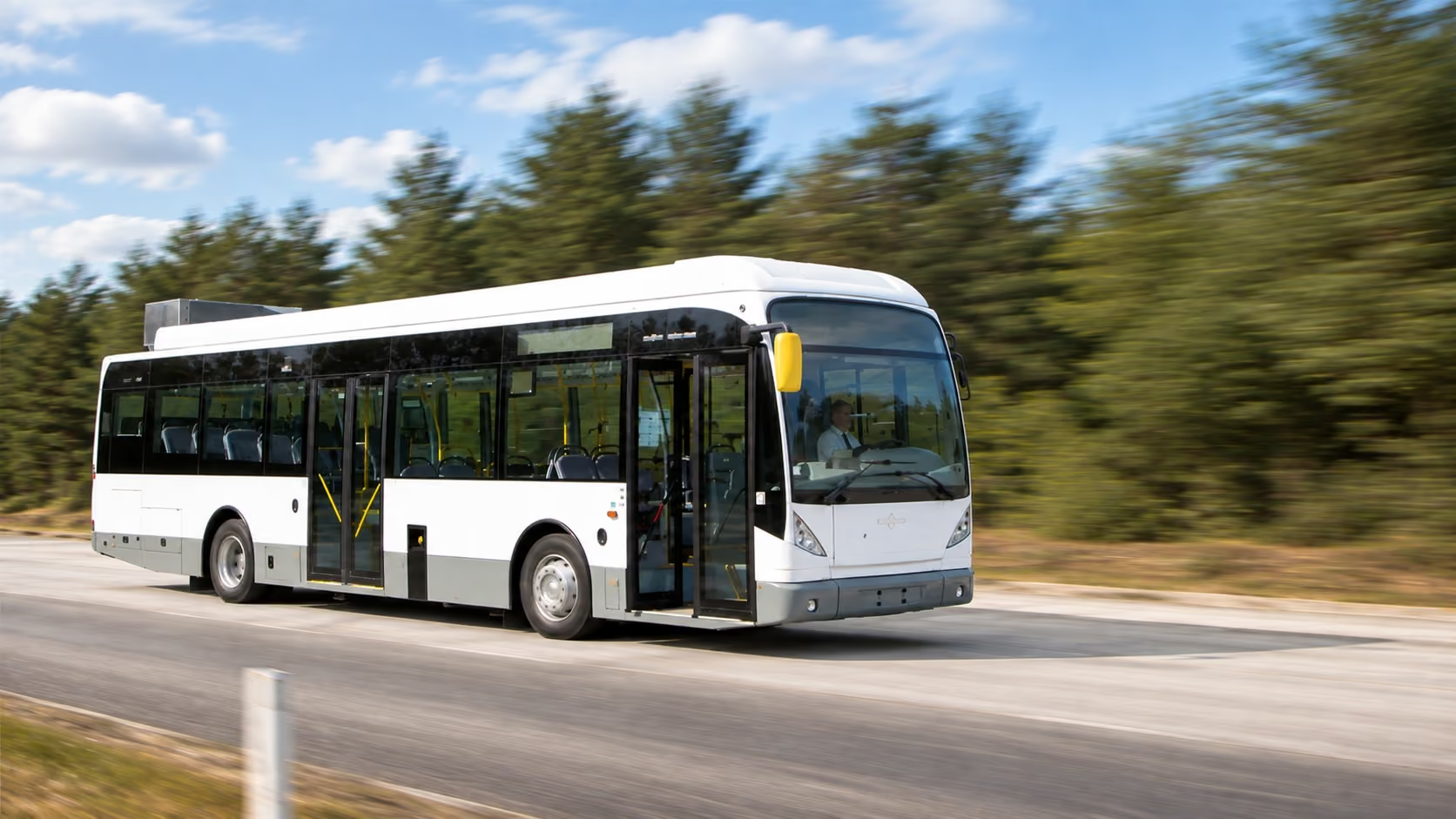
The road charges the vehicle while it drives
Heavy vehicles need large amounts of energy throughout the working day. When charging can only happen while parked, that energy has to come from longer stops, larger batteries or a combination of both.
An equipped road section adds energy while the vehicle keeps moving. Sections can be placed where recurring traffic and energy demand make them most effective, such as freight corridors, port approaches, climbing lanes and routes used repeatedly by the same fleet.
Equip the sections that make the difference
The entire route does not have to be equipped. The position and length of each section are determined by the traffic pattern, vehicle energy demand and the amount of energy the route has to deliver.
Different vehicles can use the same road infrastructure
An equipped section can be designed for compatible cars, buses and trucks. Each vehicle takes energy within the limits of its receiver, battery and onboard charging system.
The active equipment remains accessible
The windings beneath the running surface are passive and sealed. Power electronics and controls are positioned beside the carriageway, where they can be accessed without placing charging structures above the traffic.
Sections activate as the vehicle passes
The system detects a compatible vehicle and activates the relevant section beneath it. The section is switched off again after the vehicle has passed.
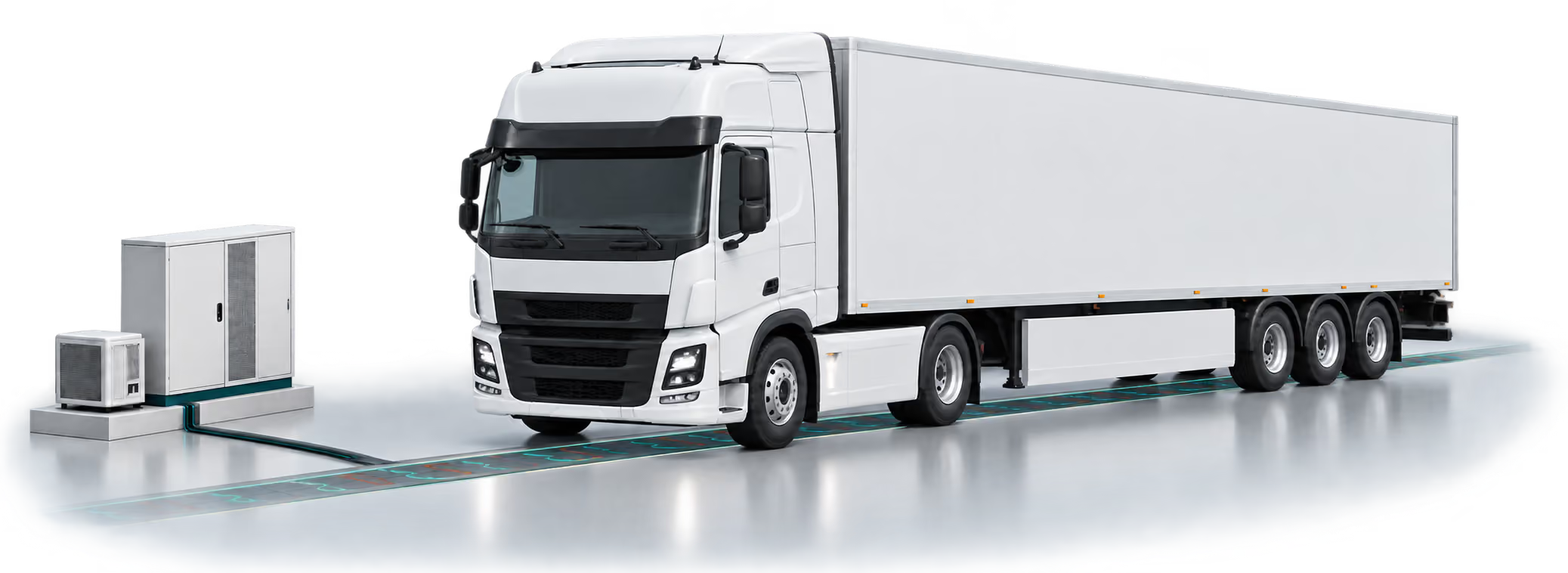
The road, vehicle and power supply work as one system
Windings beneath the road transfer energy to a receiver under the vehicle. Roadside equipment supplies and controls each section. ENRX IPT develops each application with road authorities, universities, research organisations, system integrators and vehicle manufacturers, from feasibility and system design through testing and commissioning.
Meet the system behind
dynamic road charging
Our system for transferring energy from equipped road sections to compatible vehicles while they drive.
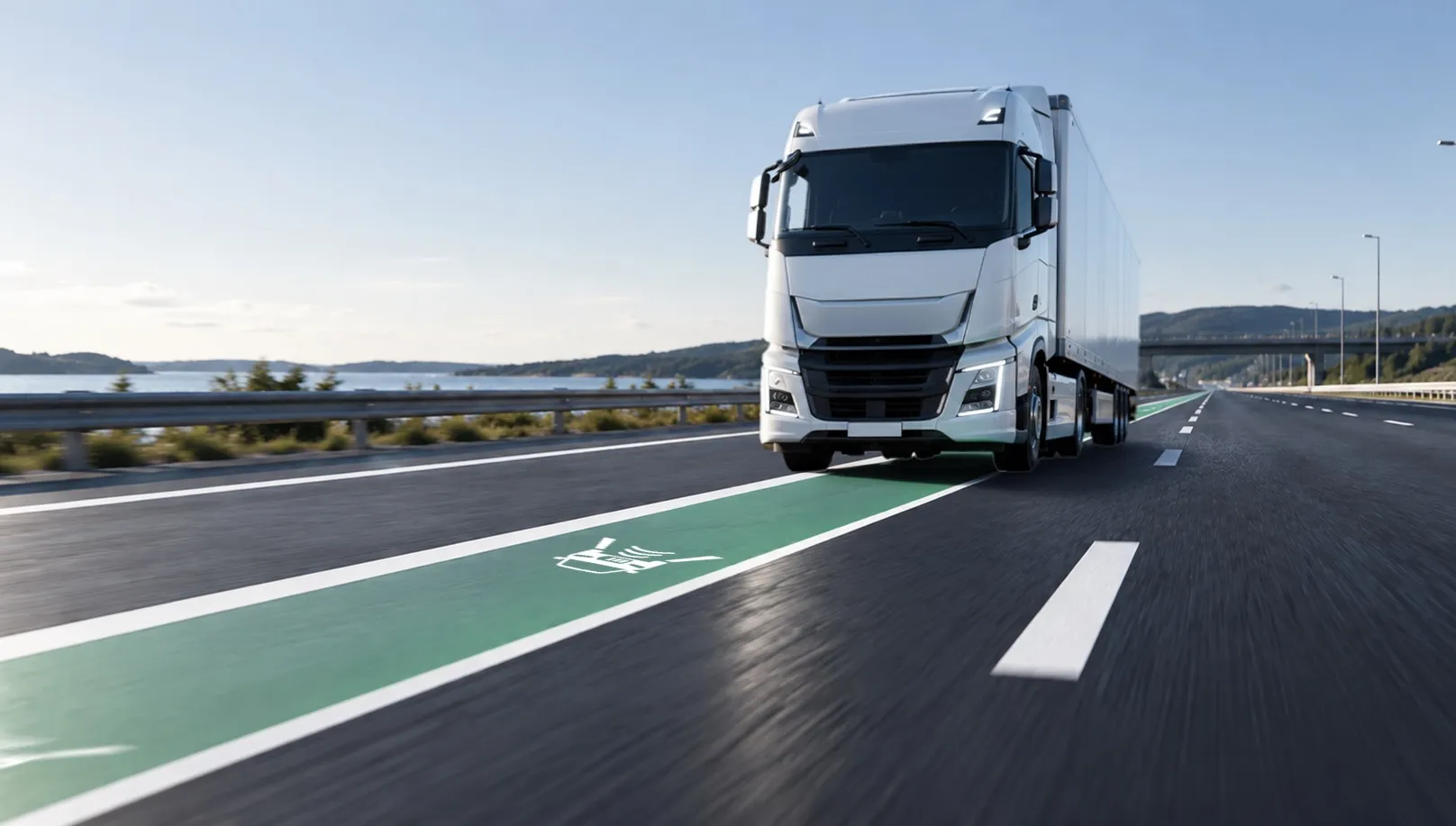
Charging becomes part of the route vehicles already use
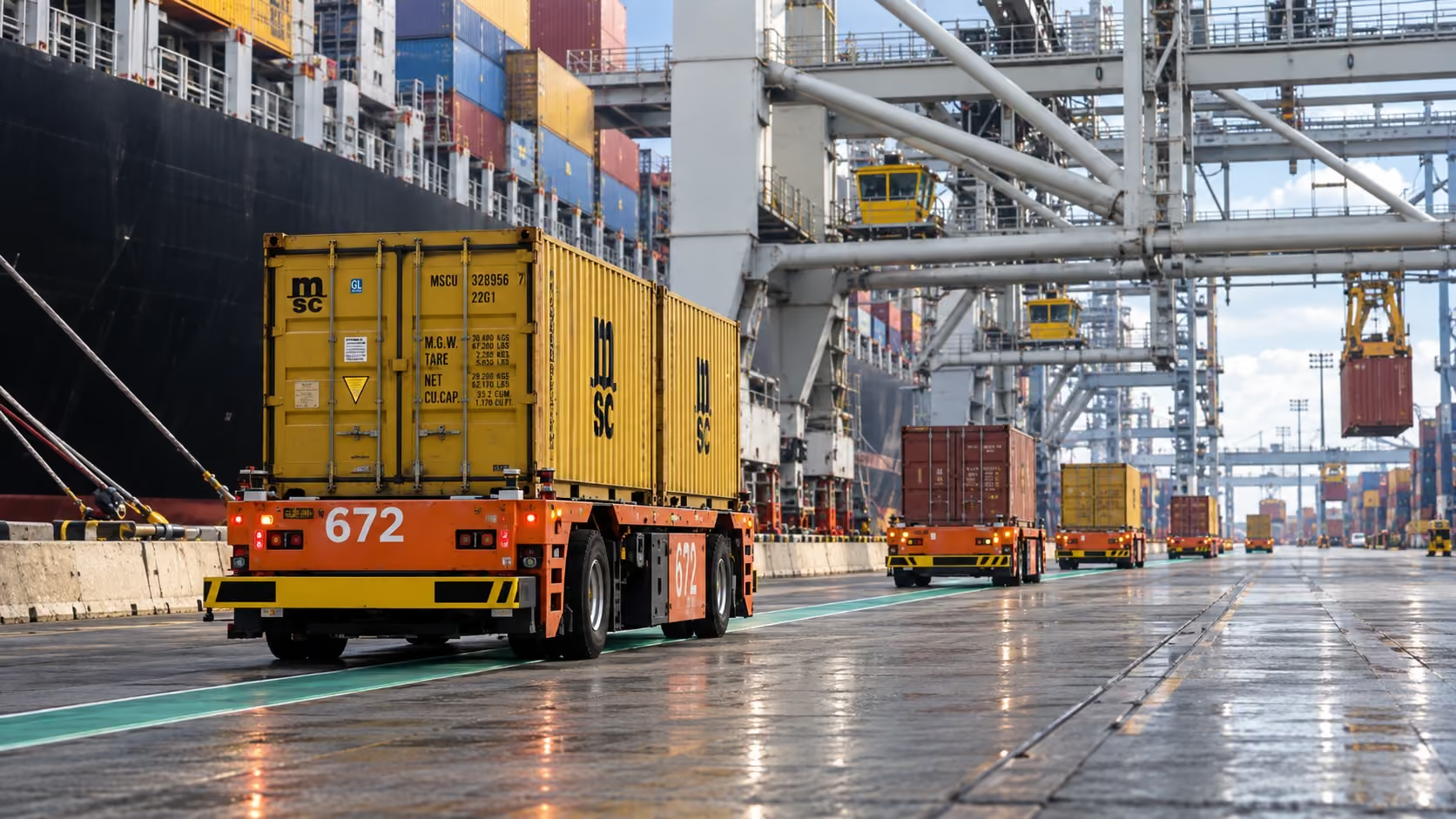
Not every electric road is a motorway. Buses follow fixed corridors, taxis move through ranks and vehicles at airports, ports and terminals return to the same routes throughout the day.
An equipped run follows that movement. It adds energy while vehicles drive, queue, or pause within the operation, without sending them to a separate charging area.
Repeated movements create repeated charging opportunities
A vehicle may pass over the same equipped section many times during a shift. Each pass adds energy and can reduce the amount that has to be restored later while the vehicle is parked.
The operating route stays clear
The windings sit beneath the surface and the power equipment stands beside the route. There are no loose cables, charging arms or overhead structures in the path of buses, trucks or automated vehicles.
Charging starts automatically
The vehicle is detected and energy transfer begins without a cable, plug or driver action. This also makes the system suitable for automated and driverless vehicles.
Start where infrastructure and vehicles are decided together
Ports, terminals, airports, taxi ranks and dedicated bus corridors often have a clearly defined operator and vehicle group. This allows the road and vehicle interfaces to be developed as one project.
Video’s about Electric Roadway Charging

Building the next generation electric roadway
Electric road project track record
Test tracks, vehicle pilots and public-road development since 2000.
Explore our electric road projects →

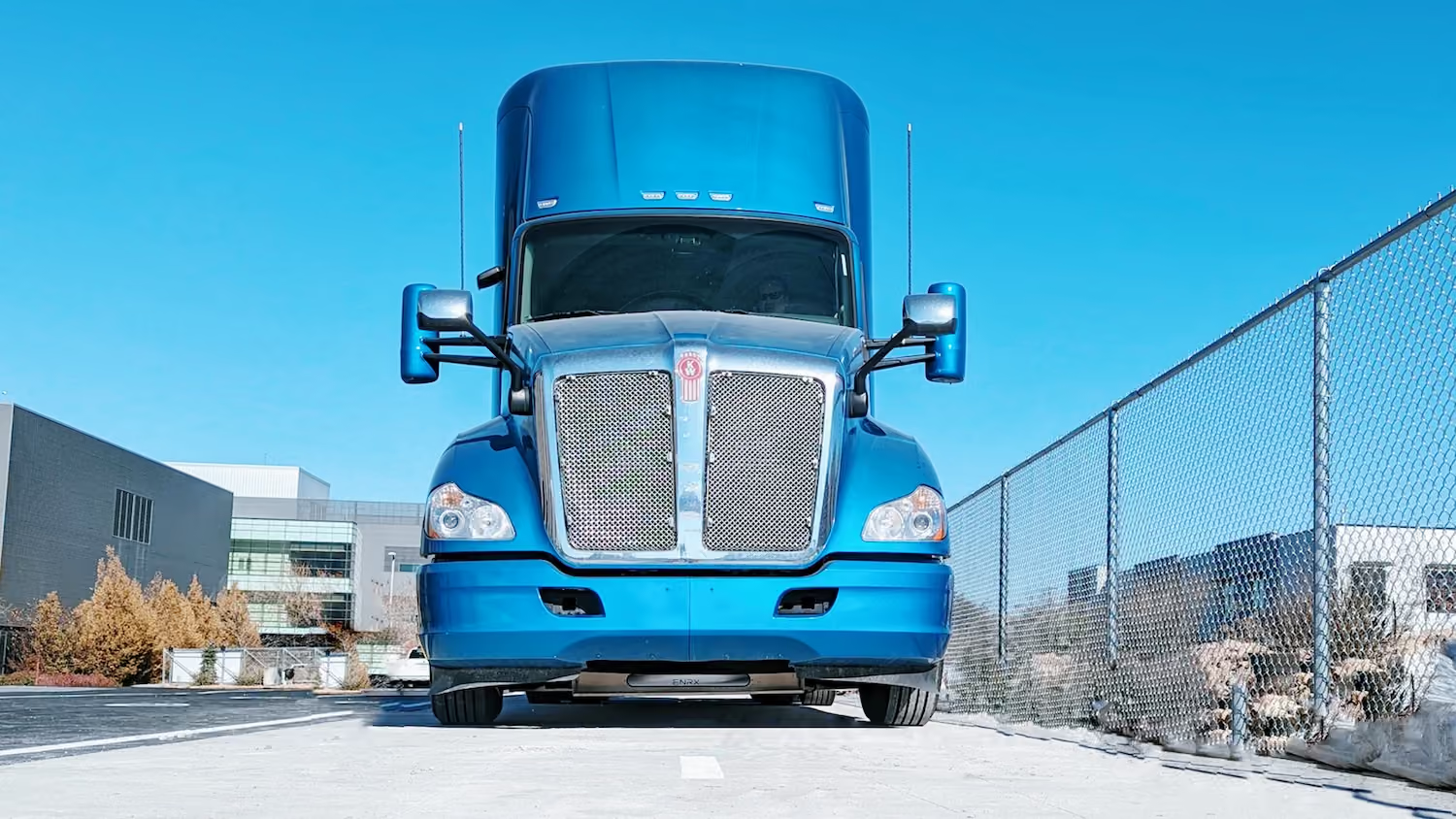
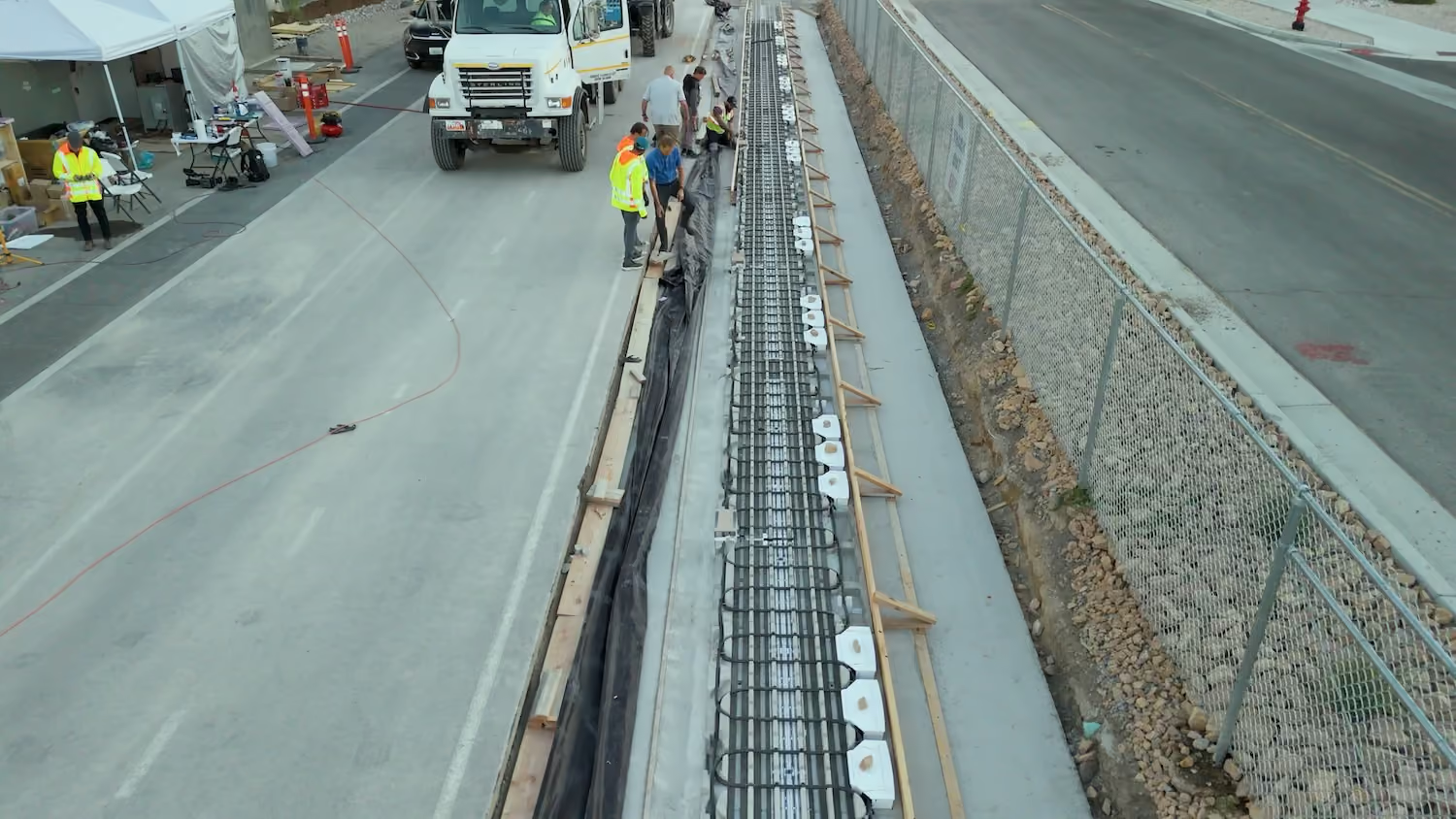
At work every day. For decades
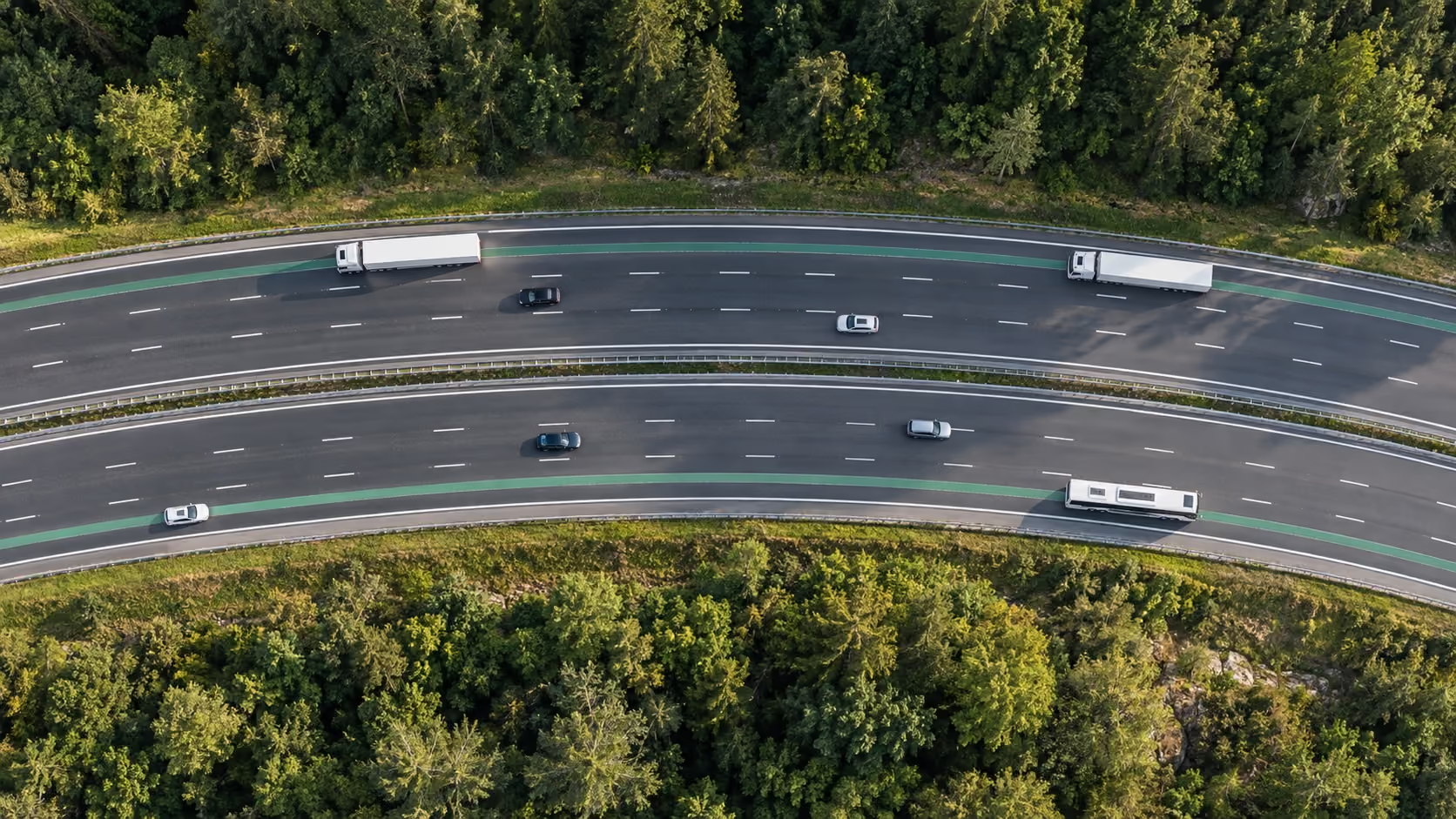
Florida SR 516 brings wireless charging to a public highway
planned charging pilot length
primary-side design rating
target vehicle-side output

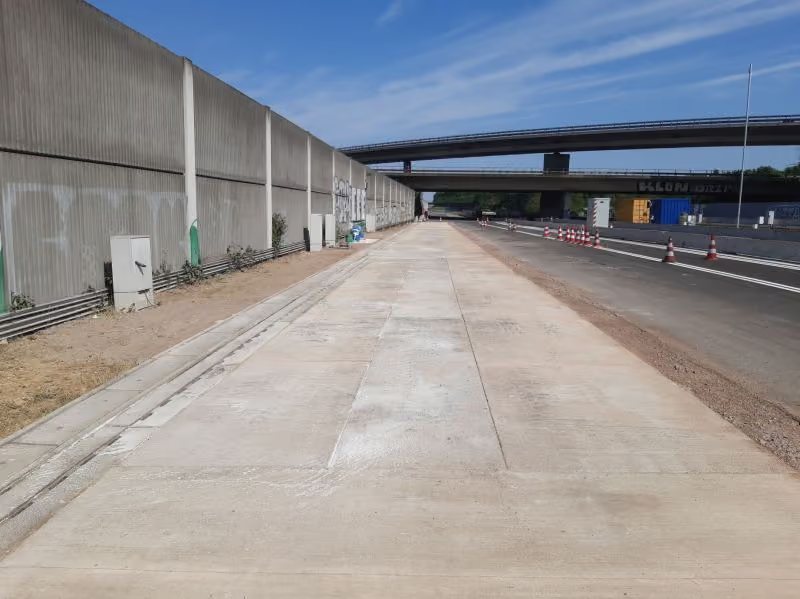
ASPIRE built a next-generation electric roadway test section in Utah
concrete test track installed
primary-side design rating
system frequency

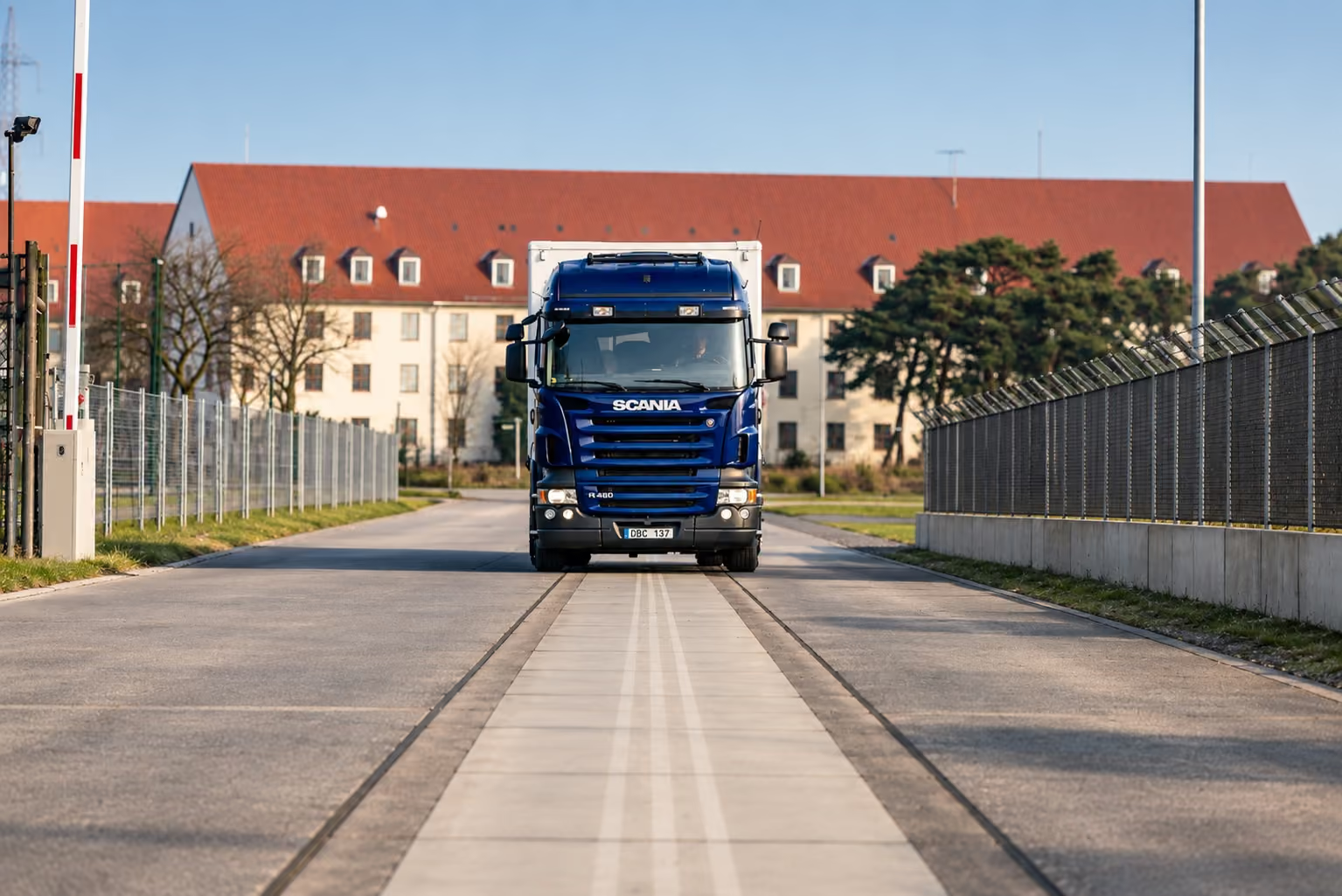
Scania truck tested 180 kW dynamic charging in Mannheim
power transferred
measured efficiency
tested driving speeds
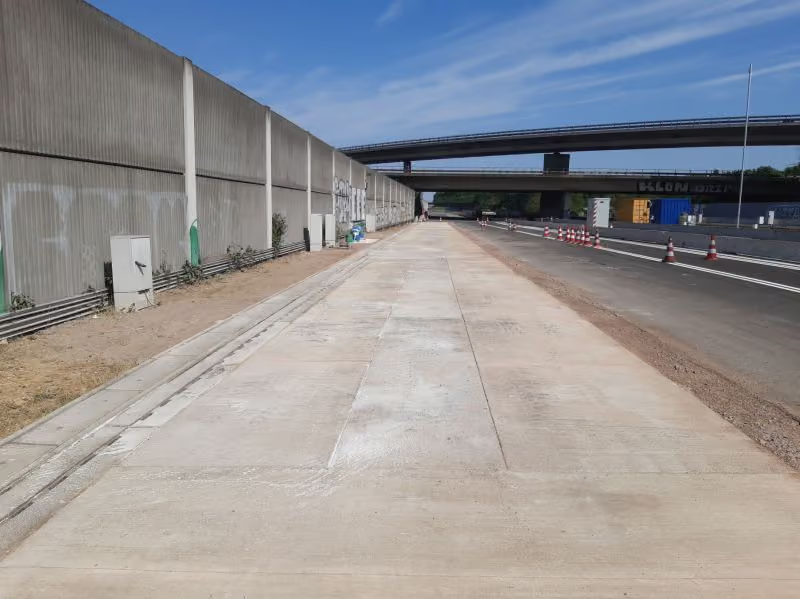
InductInfra advanced 85 kHz dynamic roadway integration
next-generation frequency
demonstrator length
modular charging segments
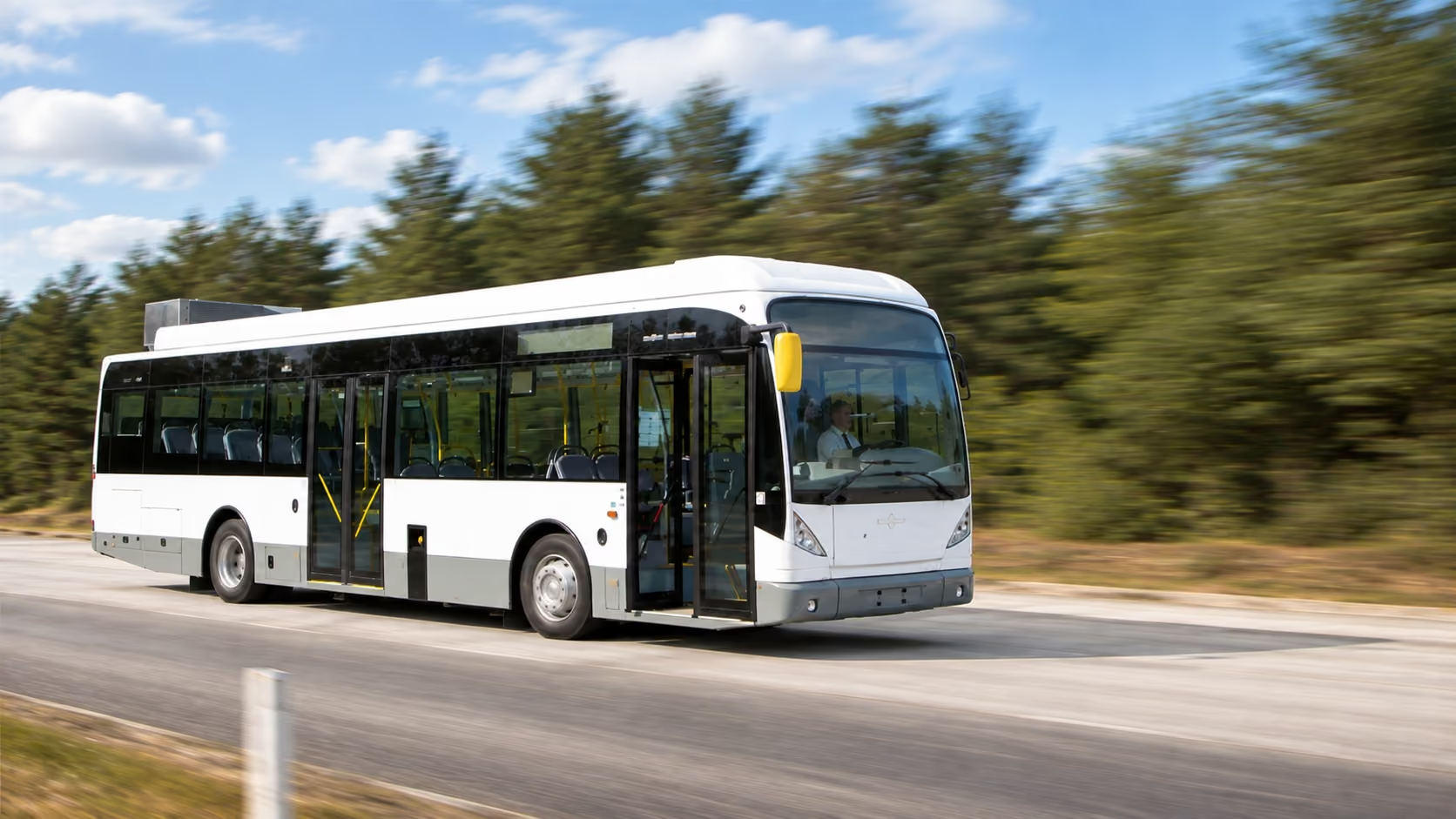
Dynamic wireless road charging demonstrated in Lommel
equipped road
maximum power transferred in trials
vehicle types tested

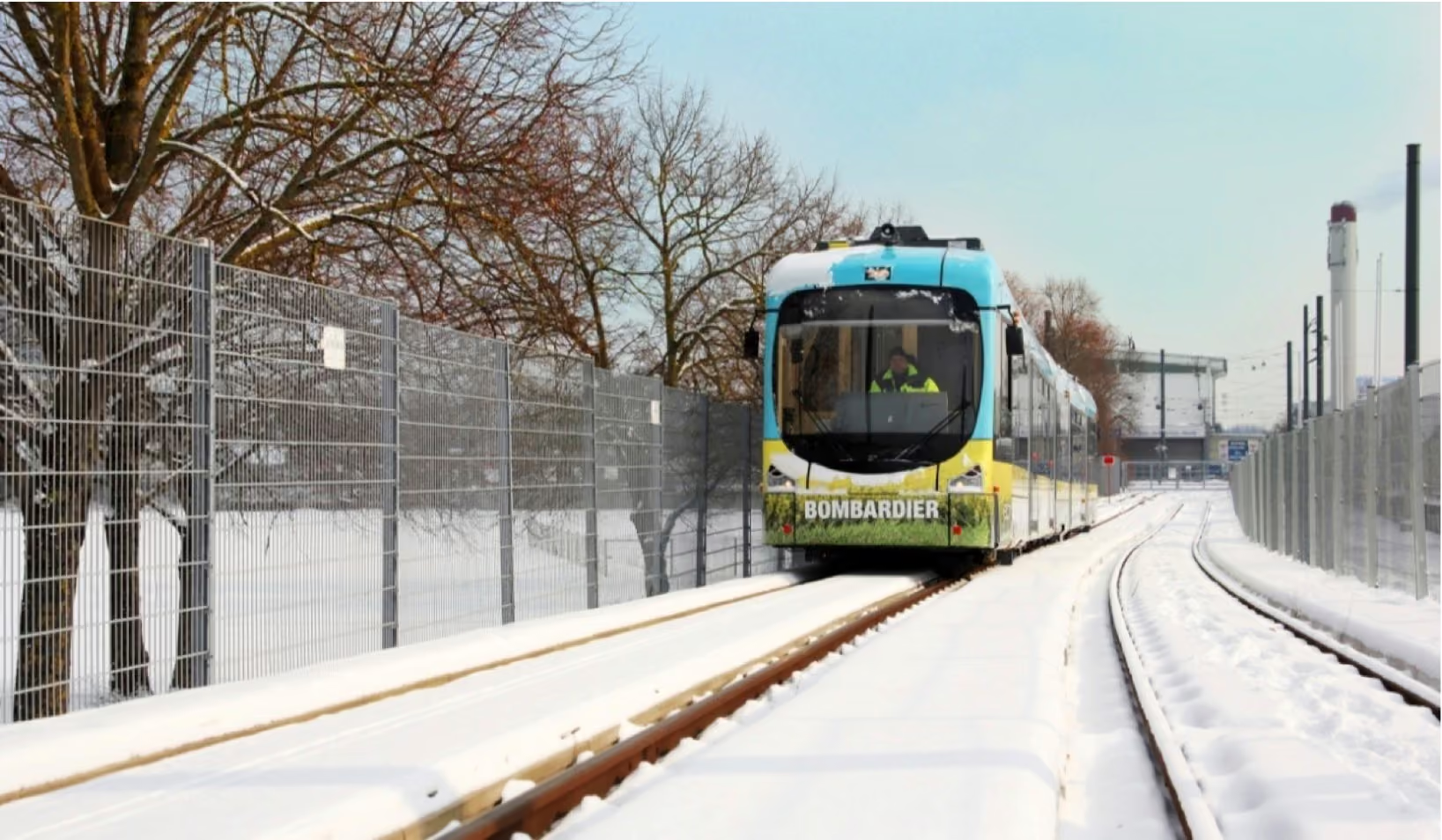
Augsburg explored stationary and dynamic PRIMOVE charging
tram demonstration began
stationary and dynamic modes
tram and bus applications
Bring us the route. We’ll work out where charging belongs
Share the route, traffic pattern, vehicle mix, energy demand and available grid connection. Together, we can determine whether dynamic charging, stationary charging or a combination best fits the operation.



What road authorities and fleet operators ask us
These questions come up in almost every first conversation.
How efficient is charging at road speed?
Approximately 90% was measured at 180 kW and 80 km/h during a Scania truck pilot. Efficiency depends on the complete road and vehicle design, including alignment, air gap and operating point. A measured efficiency figure therefore belongs to the conditions under which it was recorded.
What happens in snow, salt, water and ice?
The charging path has no exposed electrical contact that has to connect with the vehicle. The windings are sealed beneath the surface and the active power equipment is positioned beside the road.
Drainage, frost conditions, road maintenance and the operating temperature of the equipment are addressed as part of the civil and system design.
Is the system safe for road users and vehicle occupants?
The relevant section is activated when a compatible vehicle is above it and switched off again after the vehicle has passed.
The complete road-and-vehicle system is designed, tested and commissioned against the applicable electrical, electromagnetic-exposure and vehicle-compatibility requirements.
What happens if one road section is unavailable?
An equipped route consists of multiple sections. If one section is unavailable, the vehicle continues driving and receives less energy over that part of the route rather than being stopped by a single failed charging point.
The required monitoring, redundancy, spares and service response are determined with the operator during the project.
Does the road have to be excavated?
The road structure has to be prepared, but the charging system will not always be assembled piece by piece on site. Current pilot installations integrate the windings during construction. For wider deployment, ENRX IPT and its partners are developing prefabricated roadway slabs with the charging system already incorporated.
These modules are designed to be placed quickly into a prepared road structure, reducing installation work and road closure time. Local contractors prepare the road, ducting and grid connection, while ENRX IPT covers the charging-system engineering, road and vehicle equipment, interfaces, testing and commissioning.
Which vehicles can use an equipped section?
Cars, buses, trucks and specialist vehicles can use the principle when fitted with a compatible receiver and onboard interface.
The amount of energy each vehicle accepts depends on its receiver, battery and charging system. Vehicle integration is therefore part of the project design.
When should ENRX IPT become involved?
Before the road design and vehicle specification are fixed. Dynamic charging affects the road structure, roadside power supply, grid connection, vehicle underside, electrical interface and control system.
Early involvement allows ENRX IPT to work with the road authority, civil contractor, system integrator, vehicle manufacturer and fleet operator before the main interfaces are fixed.