Continuous power without a travelling cable
PWRMOVE supplies moving elevator cabins with continuous power across an air gap, removing the need for a travelling power cable and the mechanical constraints that come with it.
Vertical · Inclined · Linear-drive systems
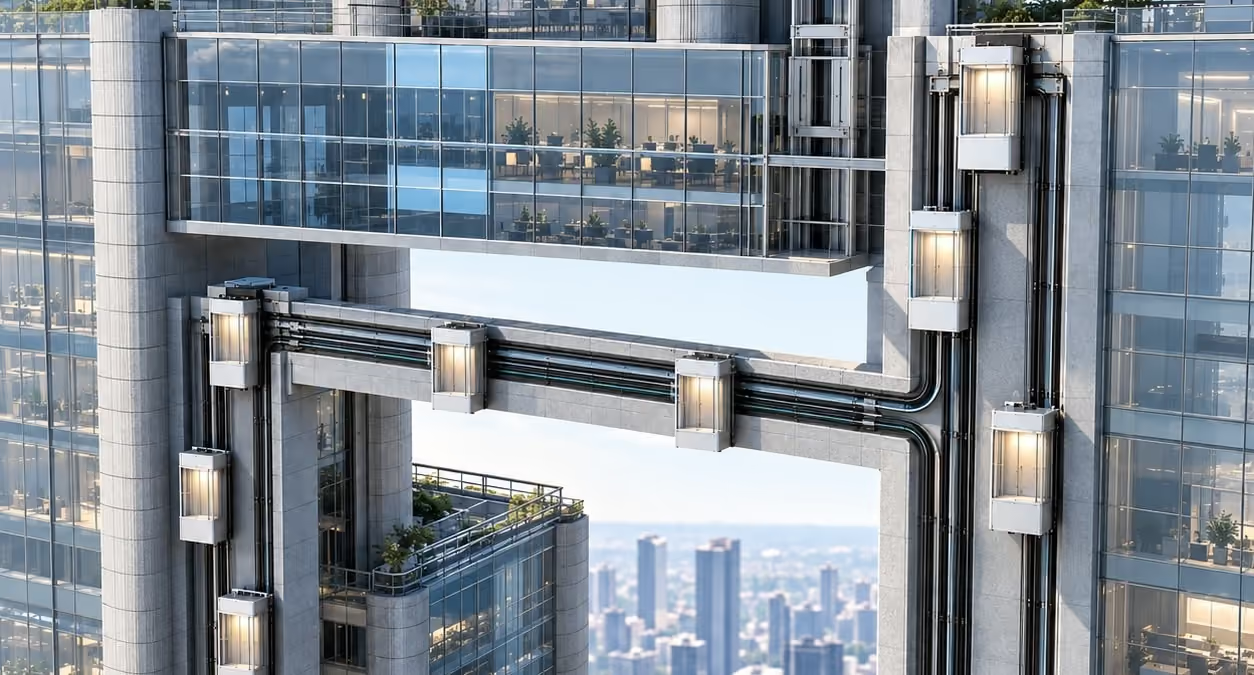
More freedom for elevator design
Travelling cables take up space and limit elevator design, especially on longer or unconventional routes. PWRMOVE supplies continuous power without a travelling cable or sliding contacts, giving engineers more freedom to design the cabin and its path.

Free the cabin from the travelling cable
Two parallel Litz cables follow the elevator route while a pickup moves with the cabin. Power crosses the air gap continuously, without an electrical collector touching the fixed track.
No travelling power cable
The cabin receives power without a flexible electrical cable moving through the shaft on every cycle. This removes the need to manage a long travelling cable and its associated routing, bending and installation space as the cabin moves.
More freedom in the route
Because power is transferred along the travel path, the system is not limited to a conventional vertical shaft. The powered rail can follow vertical or inclined routes and can also support advanced linear-drive architectures designed for horizontal movement.
Less mechanical wear
There are no brushes or collector shoes sliding along an electrical conductor. That removes contact wear, arcing and collector dust from the power transfer interface and reduces the number of mechanically wearing parts that require inspection or replacement.
Built for long travel, speed and quiet operation
Power transfer does not depend on a collector maintaining physical electrical contact while the cabin moves. That makes the principle well suited to longer travel distances and higher speeds, while avoiding the contact noise associated with brushes or collector shoes.
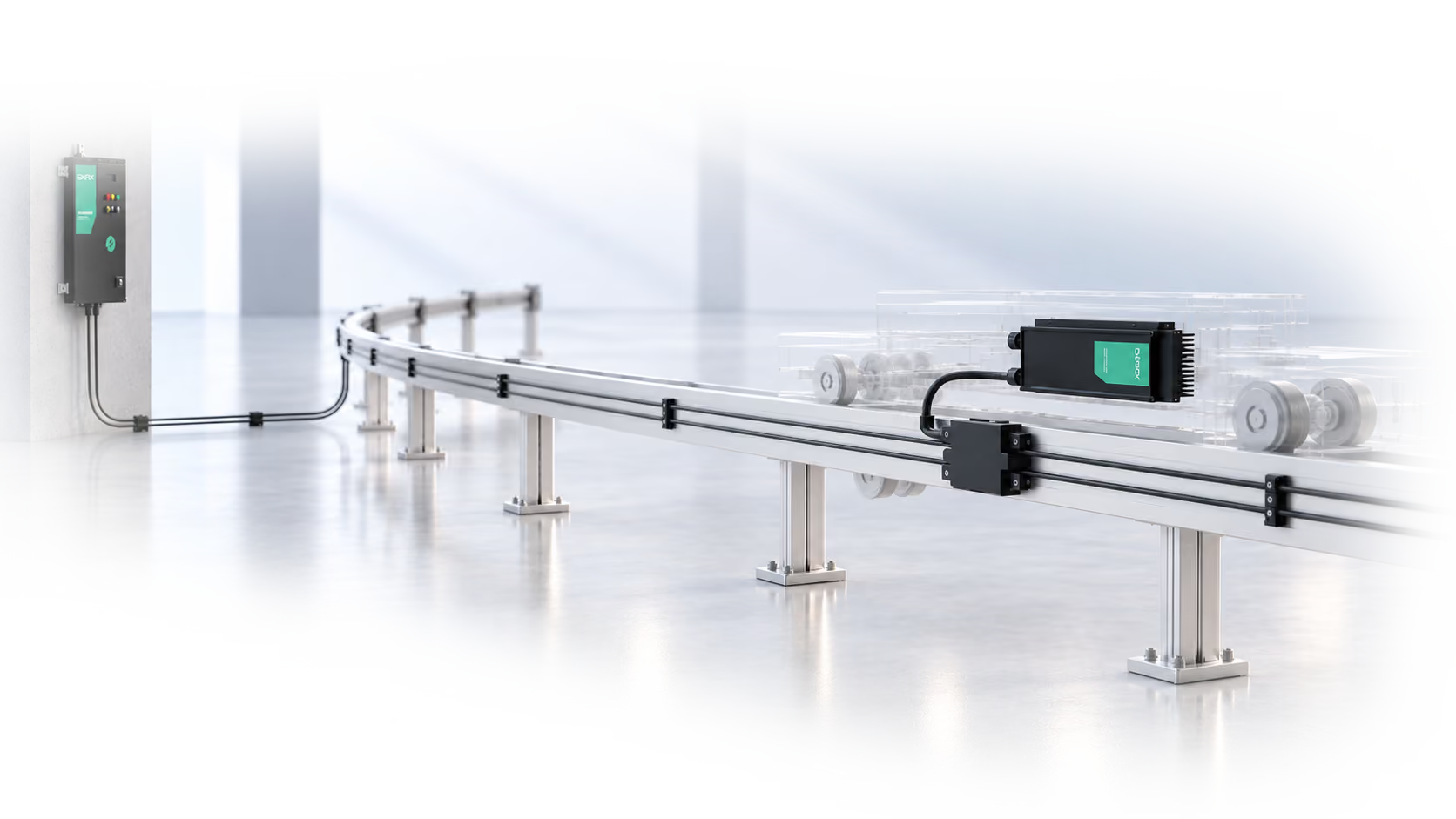
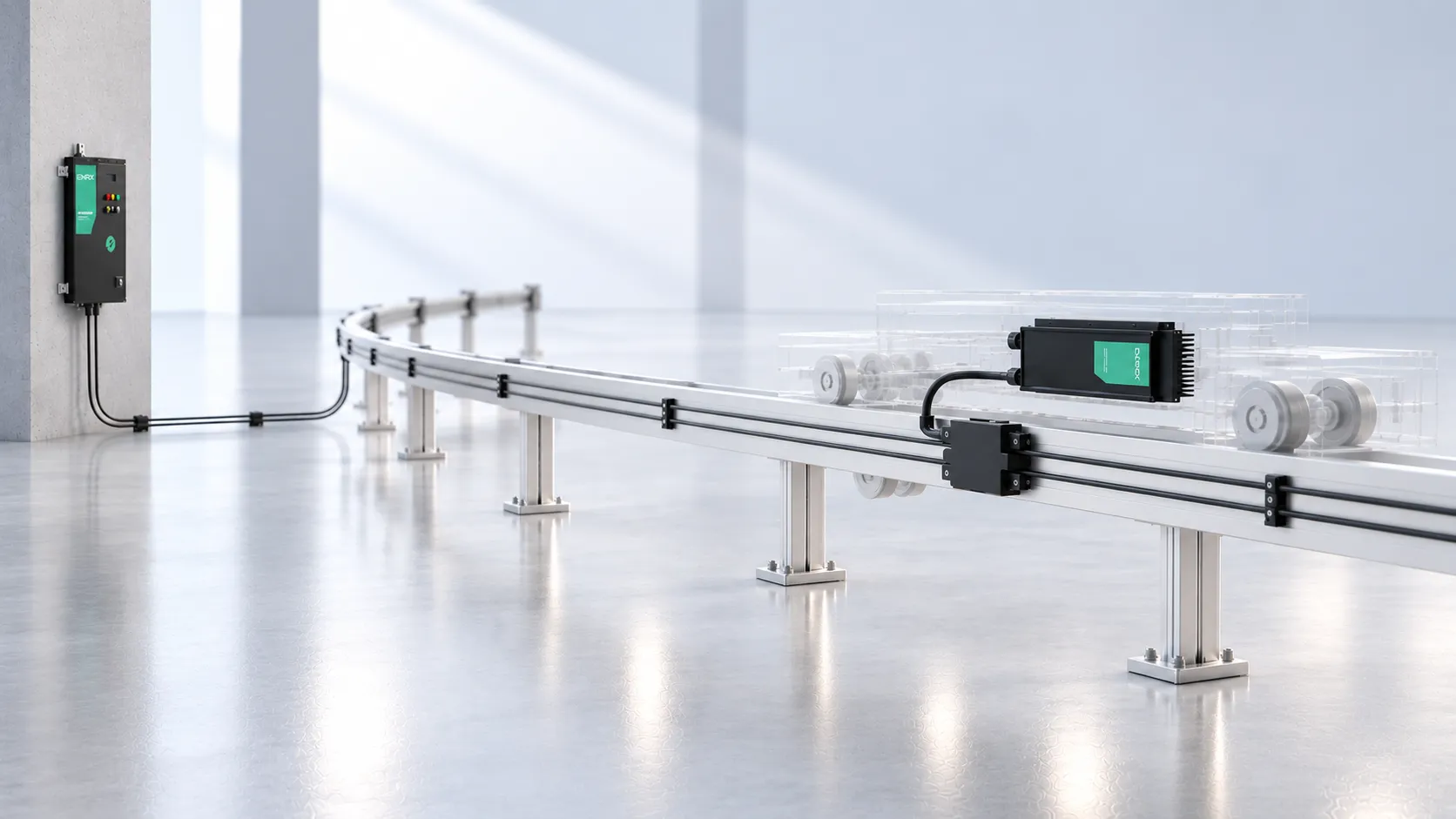
Continuous power along the elevator route
A stationary power supply feeds two parallel Litz cables installed along the route. A moving Pickup receives power across the air gap, while an onboard rectifier converts it for use by the vehicle. The power track, Pickup and vehicle are engineered together around travel speed, distance, tolerances and power demand.
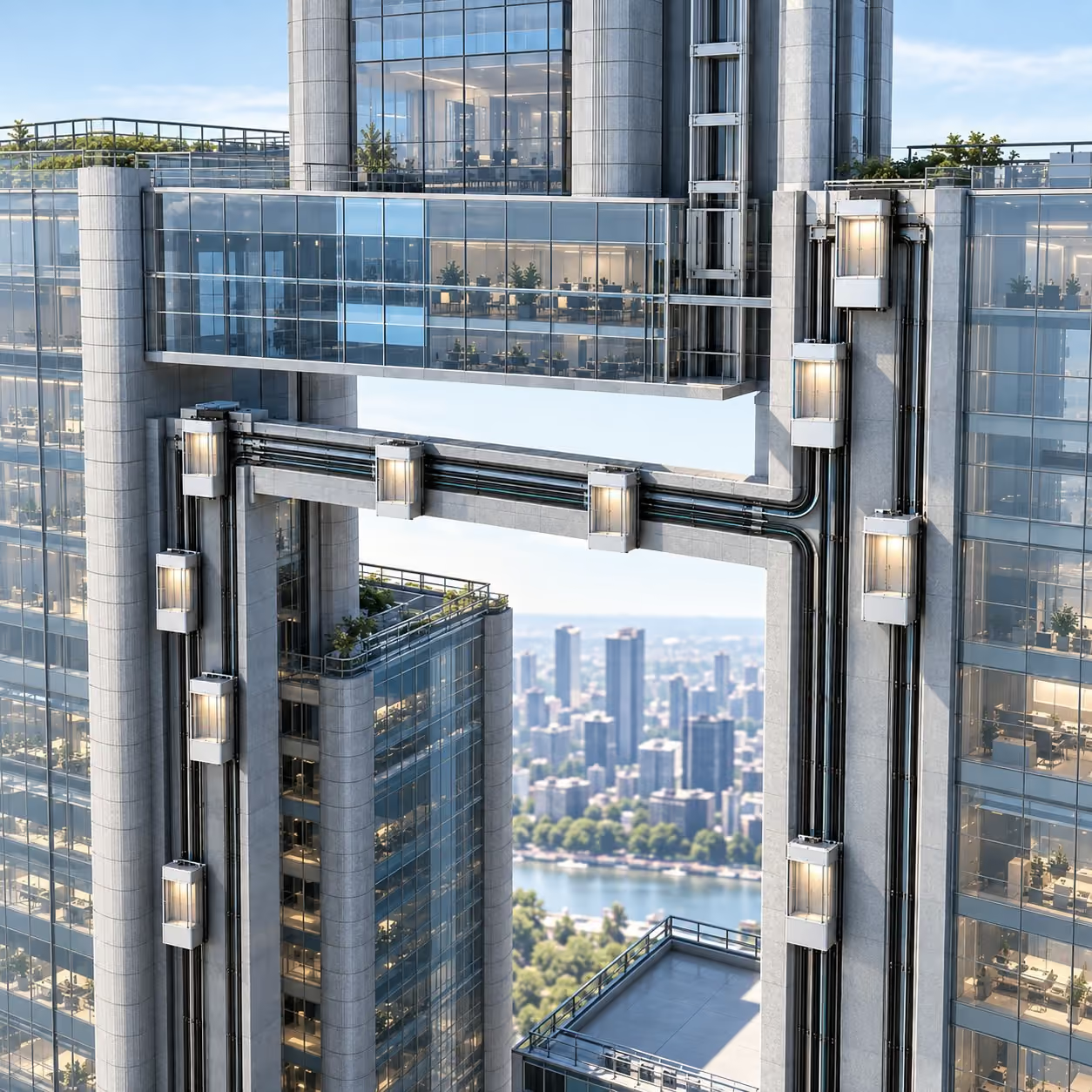
More freedom in how the cabin moves
Removing the travelling power cable gives elevator designers more freedom in how the moving cabin is supplied. The powered path can follow vertical and inclined routes and, in advanced linear-drive systems, support horizontal movement as well.
Reducing travelling cable hardware and cable management can also simplify the installation and free space within the elevator architecture. In rope-free concepts, that flexibility can support more compact and unconventional building layouts, while PWRMOVE provides the continuous power connection to the moving cabin.
The technology behind the
moving power connection
See how PWRMOVE transfers continuous power along the travel path without sliding electrical contacts.
At work every day. For decades
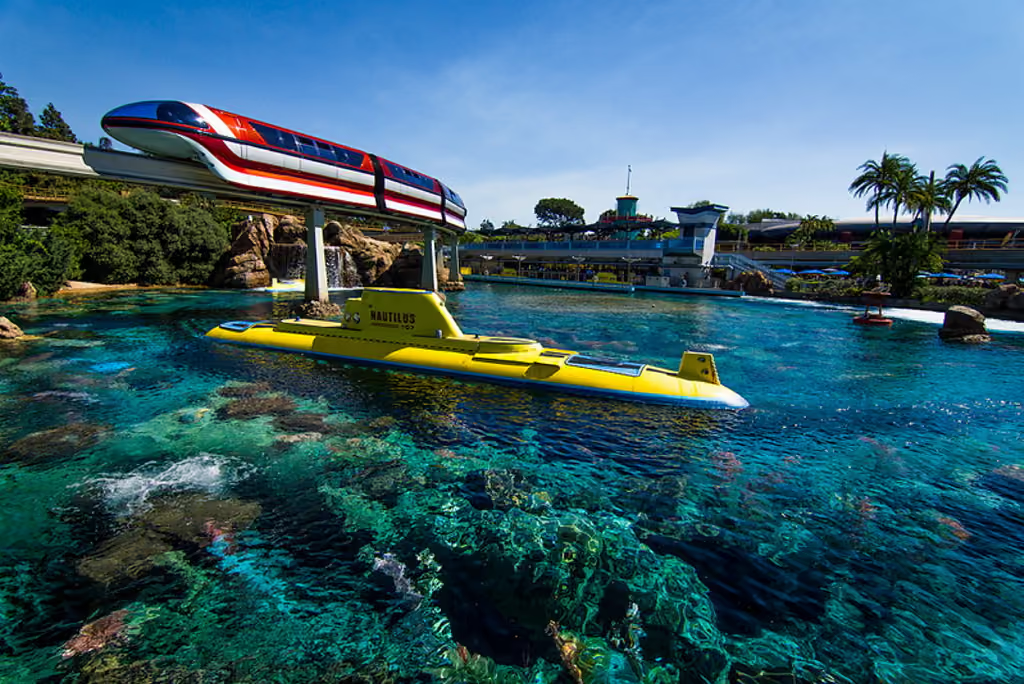
Powering Disneyland’s submarines 3 metres underwater
submarines powered
underwater track
technology in use
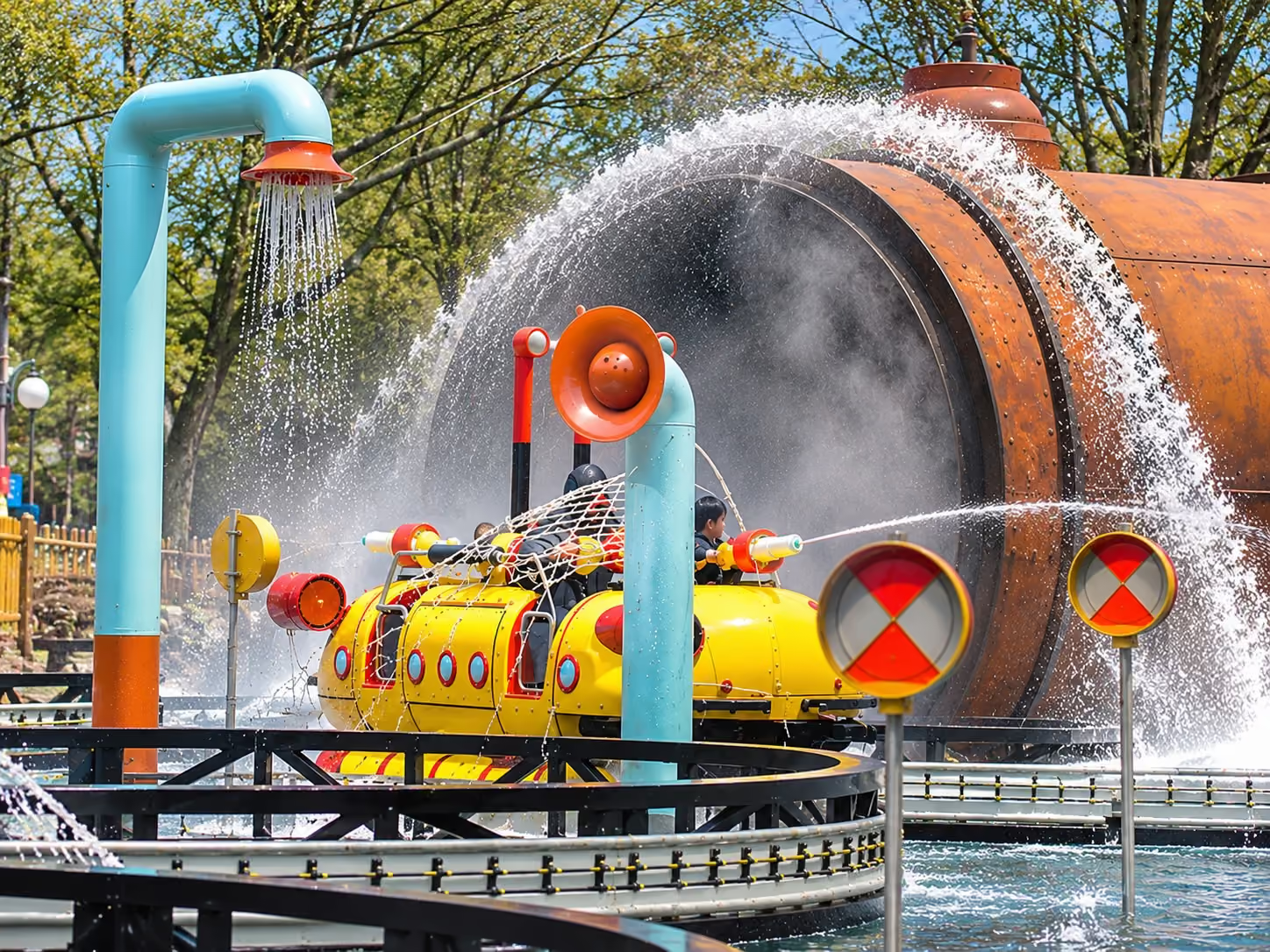
Powering Preston & Barbieri’s Splash Battle rides
Splash Battle ride history
theme park installations
power for moving vehicles

Dockland’s elevators without travelling power cables
inclined elevators
inclined travel
per elevator

65 metres of inductive power at Hermes Tower
powered elevator route
elevator speed
onboard power
Get in touch with our product experts
And check if your integration fits and ask for all you need to know.


Evandro Nishimuni